
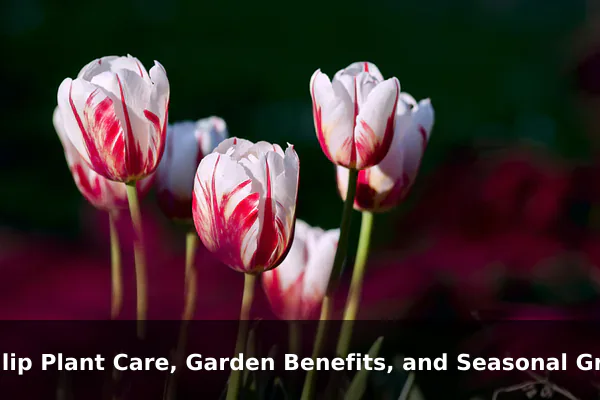
Tulips are among the most beloved spring-blooming flowers in the world, recognized for their bold colors, elegant cup-shaped blooms, and undeniable seasonal charm. Whether planted in formal garden beds, casual cottage borders, or decorative pots on a balcony, tulips deliver a visual impact that few other bulbs can match.
This guide covers everything you need to know about growing healthy tulips — from the right planting conditions and seasonal care calendar to the garden benefits they bring and tips for choosing the best varieties for your style. Whether you are a first-time bulb grower or a seasoned gardener looking to refine your technique, this article gives you a clear, practical path to beautiful blooms every spring.
What Makes Tulips Special in the Garden
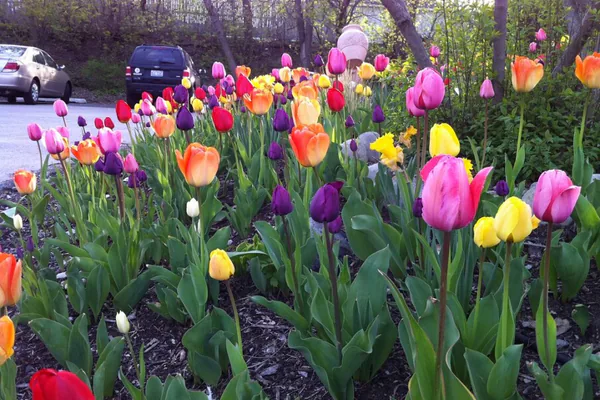
Tulips (genus Tulipa) are spring-flowering bulbs native to Central Asia, now cultivated worldwide in thousands of varieties. What sets them apart is their ability to produce bold, clean color in early spring when very little else is in bloom. They come in nearly every shade imaginable — from pure white and soft pastels to deep reds, purples, and even near-black varieties.
Beyond beauty, tulips carry meaningful symbolism rooted in centuries of floral tradition. Red tulips represent deep love and romance, yellow tulips express cheerfulness and warmth, purple tulips convey royalty and elegance, and white tulips are associated with purity and new beginnings. This combination of visual impact and symbolic meaning makes tulips one of the most versatile flowers for both garden design and gifting.
Best Growing Conditions for Healthy Tulips
Sunlight and Temperature
Tulips thrive in full sun, requiring at least 6 hours of direct sunlight per day. They also need a cold dormancy period during winter — a chilling period of 12 to 16 weeks below 10°C (50°F) — which is what triggers strong spring blooming. In warmer climates without natural cold winters, bulbs can be pre-chilled in the refrigerator for 10 to 12 weeks before planting.
Soil and Drainage
Well-draining soil is essential for tulips. Bulbs that sit in waterlogged ground will rot quickly. The ideal soil is loose and loamy or sandy in texture, slightly acidic to neutral in pH (6.0–7.0), and enriched with compost or a slow-release bulb fertilizer before planting. Avoid heavy clay soils unless they are amended with grit or the planting is done in a raised bed.
Spacing and Planting Depth
Plant bulbs at a depth of two to three times the bulb’s diameter — typically 15 to 20 cm (6 to 8 inches) deep. Space them 10 to 15 cm (4 to 6 inches) apart for a natural, full look. Planting too shallow is one of the most common reasons for floppy stems or poor bloom performance.
How to Plant and Care for Tulips Successfully
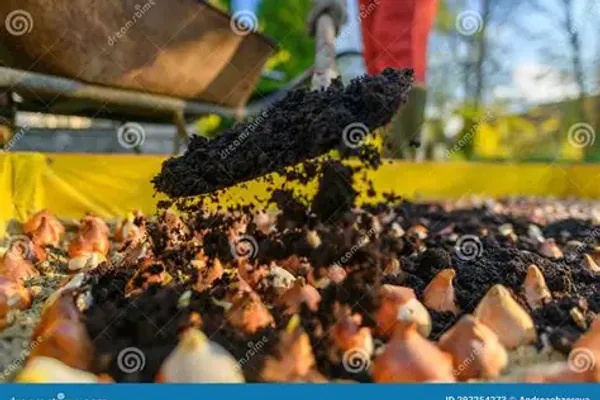
Caring for tulips is straightforward when you follow the right steps from planting through post-bloom recovery. Here is a simple, actionable approach:
- Choose healthy, firm bulbs — avoid any that feel soft, smell off, or show visible mold.
- Prepare the planting bed with well-drained soil and a slow-release bulb fertilizer worked into the soil.
- Plant in fall with the pointed end facing up, at the correct depth and spacing.
- Water once after planting, then rely on natural autumn rainfall to settle bulbs in.
- Apply a light layer of mulch to insulate bulbs from extreme cold snaps.
Watering and Feeding
Tulips need moderate moisture during active spring growth. Overwatering is one of the most common care mistakes and the leading cause of bulb rot. Fertilize in early spring as shoots emerge using a balanced bulb fertilizer. Avoid high-nitrogen formulas, which push lush leafy growth at the expense of flowering.
After-Bloom Care
Once flowers fade, do not cut the foliage. Allow leaves to yellow and die back naturally over several weeks — this process lets the bulb rebuild its energy reserves for next year’s bloom. You can remove the spent flower head to prevent seed formation and redirect energy back into the bulb, but leave the green stems and leaves intact until they collapse on their own.
Garden Benefits of Growing Tulips
Tulips bring several meaningful benefits to a garden beyond their obvious visual appeal:
- Spring color anchor: Tulips fill the early-spring gap before most perennials emerge, giving your garden structure and life when it needs it most.
- Layered planting partner: They combine beautifully with other spring bulbs like daffodils, hyacinths, and alliums for a staggered display of blooms across weeks.
- Container versatility: Tulips perform well in pots, window boxes, and raised planters, making them accessible for small gardens, patios, and balconies.
- Cut flower value: Many varieties produce long-stemmed blooms ideal for indoor arrangements, extending the garden’s impact inside the home.
- Design flexibility: Whether arranged in formal rows, sweeping drifts, or naturalized clusters, tulips adapt to virtually any design style or garden scale.
Seasonal Growing Tips From Fall to Spring
Fall — The Planting Window
Fall is the most critical season for tulips. Plant bulbs in mid to late fall — October to November in most temperate zones — after the first frost but before the ground freezes solid. This timing ensures bulbs receive their required chill period without prolonged exposure to wet or warm soil conditions that promote rot.
Winter — Dormancy Period
Tulips rest underground during winter, requiring little attention. In mild climates, a layer of mulch helps maintain cooler soil temperatures to support proper dormancy. In regions with harsh winters, mulch also buffers bulbs from damaging freeze-thaw cycles that can crack or shift them.
Spring — Growth and Bloom
As temperatures warm in early spring, shoots emerge from the soil. This is when regular watering and a light fertilizer application become important. Expect blooms 6 to 8 weeks after the first shoots appear. Enjoy the flowers fully, then allow the natural post-bloom foliage cycle to complete without cutting leaves prematurely.
Early Summer — Post-Bloom Management
Once foliage has fully yellowed and collapsed, you have two options depending on your climate:
- Leave bulbs in the ground if your summers are dry and your climate has reliable cold winters.
- Lift and store bulbs in a cool, dry, well-ventilated location if summers are wet or warm, replanting them the following fall.
In warmer or wetter climates, lifting bulbs is usually the better choice to prevent rot and maintain long-term bloom quality.
Common Tulip Problems and Easy Fixes
No Blooms or Weak Blooms
The most common causes and their solutions include:
- Insufficient chill hours in warm climates — pre-chill bulbs in the refrigerator before planting.
- Planting too shallow — replant at the correct depth the following season.
- Old or exhausted bulbs — replace bulbs every two to three years for consistent performance.
Bulb Rot
Rot is caused by poor drainage or overwatering. Improve soil structure before planting, avoid watering after fall planting unless the soil is extremely dry, and treat bulbs with a fungicide powder before placing them in known problem soils.
Floppy Stems
Stems flop when tulips grow in too much shade or are forced indoors too quickly. Ensure they receive full sun outdoors. When forcing in containers, keep bulbs in a cold location until the final two to three weeks before you want them to bloom.
Pest Damage
Squirrels and rodents are the most common threat to tulip bulbs. Use wire mesh cages buried around planting areas, or plant bulbs inside buried containers with drainage holes. Aphids can appear on spring growth — treat promptly with insecticidal soap spray to prevent spreading.
Choosing Tulip Varieties for Different Garden Styles
The tulip family covers many distinct groups, each with different bloom shapes, heights, and timing suited to different garden uses:
- Single Early and Double Early tulips: Compact and wind-resistant, perfect for containers and exposed garden spots.
- Triumph tulips: Mid-season bloomers with strong stems and a wide color range — the most reliable all-around choice for most gardeners.
- Parrot tulips: Dramatically ruffled and fringed petals in bold colors — ideal for cottage gardens and eclectic arrangements.
- Darwin Hybrid tulips: Large blooms on tall, sturdy stems, excellent for cut flowers and formal bed plantings.
- Lily-flowered tulips: Elegant reflexed petals with a graceful silhouette, well-suited to border accents and classic garden styles.
- Species (botanical) tulips: Small, naturalistic, and highly durable — excellent for rock gardens or naturalizing in grass where they can self-spread over time.
When selecting colors, consider your garden’s overall palette. Warm tones — reds, oranges, and yellows — create energy and visual excitement. Cool tones — purples, pinks, and whites — feel calming and refined. A single-color block planting makes a bold modern statement, while mixed plantings give a loose, naturalistic feel that suits informal garden styles.
Tulips reward careful planting and basic seasonal attention with some of the most spectacular early-spring color a garden can offer. By understanding their need for cold dormancy, well-draining soil, and a patient post-bloom rest period, you set the stage for reliable, beautiful blooms year after year. Whether grown in the ground or in containers, as cut flowers or garden showpieces, tulips bring beauty, symbolism, and design versatility that few other spring plants can match.
