
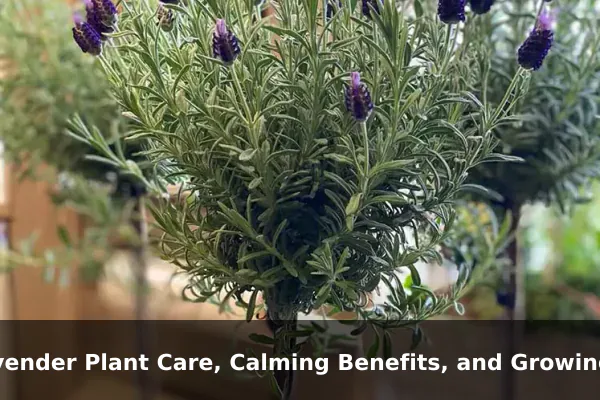
Few plants combine beauty, fragrance, and gentle symbolism as gracefully as lavender. With its silvery foliage, slender purple spikes, and unmistakable scent, lavender has earned a place in cottage gardens, sunny patios, and bedside sachets across the world. Beyond its ornamental charm, it carries centuries of cultural meaning tied to calm, cleanliness, and quiet protection, making it a favorite among gardeners who want a plant that pleases both the eye and the senses.
This guide gathers practical, evidence-aware advice on how to grow lavender successfully and how to enjoy its calming associations responsibly. You will find clear horticultural guidance drawn from trusted extension services, along with a careful look at what current research actually suggests about lavender and relaxation. The goal is to help you cultivate a healthy plant and use it thoughtfully, without overstating what fragrance alone can do.
Why Lavender Is Loved in Gardens and Homes
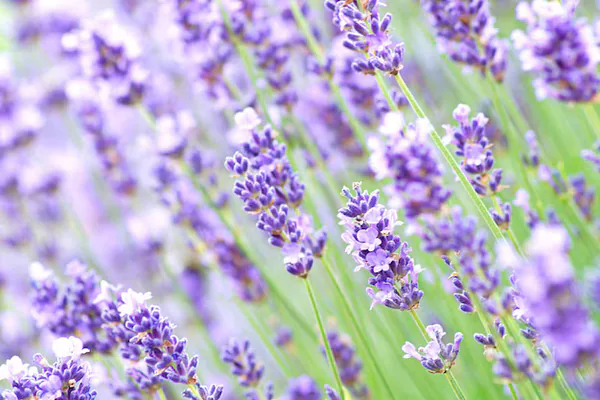
Lavender’s popularity rests on more than a single feature. Its narrow gray-green leaves stay attractive even when the plant is not blooming, while its summer flower spikes deliver a strong, sweet aroma that lingers in warm air. Gardeners often plant it along walkways and seating areas so the scent rises whenever someone brushes past.
The plant also offers ecological value. Bees, butterflies, and other pollinators visit lavender heavily during bloom, turning a single shrub into a small wildlife station. In the home, dried bundles are used as natural air fresheners, drawer sachets, and decorative accents that retain their fragrance for months.
Traditional Household Uses
- Linen and laundry scenting: Dried buds tucked into closets and pillowcases.
- Bouquets and crafts: Long stems used fresh or dried in arrangements and wreaths.
- Culinary touches: Sparing use of food-grade buds in baked goods and teas.
- Garden design: Low hedges, knot gardens, and Mediterranean-style borders.
Lavender Meaning and Calming Associations
Across many cultures, lavender has long symbolized serenity, purity, and gentle devotion. The Latin root lavare, meaning “to wash,” reflects its ancient use in baths and rinses, which is part of why the plant became linked with cleanliness and renewal. In the language of flowers popular in earlier centuries, lavender was often given to express loyal affection and quiet caring.
These associations remain meaningful today, even when treated as cultural rather than supernatural. Many people simply enjoy the way lavender’s scent encourages them to slow down, breathe more deliberately, and ease into rest. While such experiences are personal, they help explain why the plant continues to appear in bedrooms, spas, and meditation spaces.
Symbolic Themes Often Attributed to Lavender
- Calm and emotional balance
- Cleanliness and renewal
- Devotion and gentle affection
- Quiet protection and comfort
What Research Says About Lavender’s Calming Benefits
It is important to separate tradition from medical evidence. According to the National Center for Complementary and Integrative Health (NCCIH), some studies suggest that lavender aromatherapy or oral lavender preparations may help with certain symptoms of anxiety or sleep difficulty, but the overall evidence is limited and not strong enough to support firm medical claims. Study quality varies, and results can differ across products and methods.
The U.S. Food and Drug Administration (FDA) also notes that aromatherapy products are regulated based on their intended use. When a lavender essential oil is marketed simply for fragrance, it is treated as a cosmetic, but if it is sold with claims to treat or prevent disease, it may be regulated as a drug. This matters because it shapes how lavender products can legally describe their benefits.
Sensible Ways to Frame the Benefits
- Describe lavender as something that may help you feel calmer, rather than as a cure for anxiety or insomnia.
- Treat any aromatherapy ritual as supportive, not as a replacement for professional medical care.
- If you have a health condition, are pregnant or breastfeeding, or take medication, talk to a qualified healthcare provider before using concentrated lavender products.
Choosing the Right Lavender for Your Space
Not all lavenders behave the same way in the garden. English lavender (Lavandula angustifolia) is widely recommended by university extension services because of its strong fragrance, compact habit, and relatively good cold hardiness in many temperate regions. Other groups, such as Spanish, French, and lavandin types, can offer showier bracts or larger plants but may need milder winters or more careful siting.
Points to Consider Before Buying
- Climate match: Check whether the variety is recommended for your hardiness zone and humidity level.
- Mature size: Some cultivars stay under 30 cm tall, while others form broad shrubs almost a meter wide.
- Fragrance and use: If you plan to harvest buds for sachets or culinary use, choose a strongly scented English lavender cultivar.
- Container suitability: Compact cultivars adapt better to pots and small-space gardening.
Best Growing Conditions for Healthy Lavender
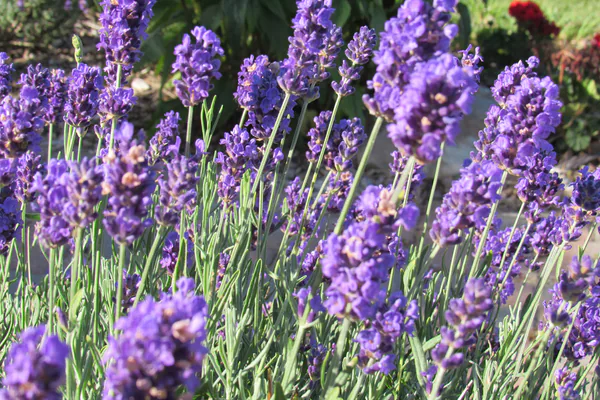
Lavender evolved in dry, sunny, rocky habitats around the Mediterranean. Recreating those conditions is the single most important step toward a long-lived plant. The Royal Horticultural Society and several university extensions consistently emphasize full sun and sharp drainage as non-negotiable requirements.
Core Conditions to Provide
- Light: At least six to eight hours of direct sun per day.
- Soil: Well-drained, low to moderately fertile, often slightly alkaline.
- Airflow: Space plants so air moves freely between them, reducing fungal risk.
- Drainage: Raised beds, slopes, or gritty amendments such as coarse sand or fine gravel.
- Avoid: Heavy clay that stays wet, deep shade, and rich, moisture-holding mulches piled against the crown.
Why Wet Roots Cause Failure
More lavenders are lost to soggy soil than to cold winters. Constantly damp roots invite rot, and even hardy varieties may collapse if water lingers around the crown in winter. If your garden soil is heavy, consider planting on a mound, in a raised bed, or in a container where you fully control drainage.
How to Plant Lavender in the Ground or Containers
Timing and technique both matter. Spring is the most common planting season in cooler climates, while autumn planting can work in mild areas where roots have time to establish before stress.
Step-by-Step Planting
- Choose the sunniest spot available, ideally with some protection from cold, wet winds in harsh climates.
- Test drainage by filling a planting hole with water; if it does not drain within a few hours, amend heavily or switch to a raised bed.
- Amend the soil with grit, coarse sand, or small gravel rather than rich compost.
- Space plants generously, often 45 to 90 cm apart depending on the mature size of the cultivar.
- Plant at the same depth as the nursery pot, keeping the crown level with or slightly above the surrounding soil.
- Water in well at planting, then taper off as roots establish.
Growing Lavender in Pots
- Use a container with several drainage holes.
- Choose a gritty, free-draining potting mix; avoid moisture-retentive blends meant for tropical houseplants.
- Place the pot where it receives strong direct sun for most of the day.
- In wet winters, move pots under shelter or tip them to prevent water from pooling.
Lavender Watering, Feeding, and Everyday Care
Once established, lavender is famously drought-tolerant. New plantings need regular but moderate watering during the first growing season to develop roots. After that, deep but infrequent watering generally works better than light, frequent sprinkling.
Watering Guidelines
- First year: Water when the top few centimeters of soil feel dry; avoid waterlogging.
- Established plants: Often thrive on rainfall alone in temperate climates, with occasional deep watering during long droughts.
- Containers: Check more often, since pots dry faster, but still let the mix dry noticeably between waterings.
Feeding and Mulching
Lavender does not need heavy feeding. Rich fertilizers can encourage soft, leafy growth that flops and produces fewer flowers. A light application of a balanced fertilizer in spring is usually enough, and many gardeners skip feeding altogether in lean soils. For mulch, gravel or crushed stone is preferable to bark or compost, because it keeps the crown dry and reflects warmth.
Signs of Stress
- Yellowing lower leaves with soggy soil: Often a sign of overwatering or poor drainage.
- Leggy, floppy growth: Usually too much shade or too much fertilizer.
- Blackened stems or sudden wilt: Possible root or crown rot from prolonged moisture.
Pruning Lavender Without Damaging the Plant
Pruning keeps lavender compact, encourages fresh flowering wood, and slows the formation of bare woody centers. Without it, plants tend to sprawl and split, and they can be difficult to rejuvenate later because lavender does not reliably regrow from old, leafless wood.
When and How to Prune
- After flowering: Trim spent flower stems and shape the plant, removing roughly the top third of soft growth while leaving some green foliage on each stem.
- Avoid cutting into bare wood: Older lavender stems may not produce new shoots from leafless sections.
- Annual habit: Make light, regular pruning part of your routine rather than waiting for the plant to become overgrown.
- Tools: Use clean, sharp shears or hedge trimmers for an even cut.
Harvesting Lavender for Scent, Bouquets, and Home Use
One of the great pleasures of growing lavender is bringing its fragrance indoors. For the strongest scent and best color retention, harvest at the right stage of bloom.
Harvest and Drying Tips
- Cut stems when the lowest flowers on the spike have just opened and the rest are still in bud.
- Harvest in the morning after dew has dried but before the heat of the day.
- Gather small bundles and secure them with twine.
- Hang bundles upside down in a dry, dark, well-ventilated space for one to two weeks.
- Once fully dry, strip buds into jars or leave stems whole for arrangements.
Simple Non-Medical Uses
- Linen sachets for drawers and pillows
- Decorative dried bouquets and wreaths
- Potpourri blends combined with other dried botanicals
- A small bowl of buds beside a reading chair for a gentle ambient scent
Common Lavender Problems and Safe Use Notes
Healthy lavender in the right site is generally trouble-free, but a few issues come up often enough to be worth knowing.
Garden Issues
- Root and crown rot: Almost always caused by poor drainage or excess water.
- Fungal leaf spots: Encouraged by crowded planting and damp foliage; improve airflow and avoid overhead watering.
- Spittlebugs and similar pests: Often more cosmetic than harmful; a strong spray of water usually suffices.
- Winter damage: Combined cold and wet is more damaging than dry cold; ensure drainage and avoid heavy organic mulch on the crown.
Safety Considerations for People and Pets
- Pets: Lavender plants and concentrated lavender oil can be irritating or toxic to some animals if ingested. Check with a veterinarian before using lavender products around cats, dogs, or small animals.
- Skin and essential oils: Undiluted essential oils can cause irritation or allergic reactions; always dilute properly and patch test.
- Pregnancy and breastfeeding: NCCIH notes that the safety of medicinal use during pregnancy and breastfeeding is not well established; consult a qualified professional.
- Claims and labeling: Because FDA regulation depends on intended use, treat strong therapeutic claims on aromatherapy products with healthy skepticism.
Quick Lavender Care Checklist
- Sun: Full sun, six to eight hours minimum.
- Soil: Well-drained, gritty, lean rather than rich.
- Water: Moderate while establishing, sparing once mature.
- Feeding: Light or none; avoid high-nitrogen fertilizers.
- Pruning: Trim after flowering, never deep into bare wood.
- Harvest: Cut when lowest florets open; dry in a dark, airy space.
- Safety: Be cautious with pets, essential oils, pregnancy, and bold health claims.
Conclusion
Lavender rewards gardeners who respect its origins. Give it generous sun, sharp drainage, restrained watering, and thoughtful pruning, and it will return the favor with years of silvery foliage, pollinator-friendly blooms, and a fragrance that connects modern homes to a long tradition of comfort and calm. Whether you grow a single pot on a sunny balcony or a low hedge along a garden path, the same simple principles apply.
When it comes to lavender’s calming reputation, it is wise to enjoy the experience while staying grounded in evidence. Current research, summarized by sources such as NCCIH, suggests possible benefits for relaxation and sleep but stops short of strong medical claims, and the FDA reminds us that aromatherapy products are regulated by how they are marketed. Used as a fragrant companion rather than a cure, lavender can become a quietly powerful part of a thoughtful, plant-rich life.
Official references
- NCCIH – Lavender: Usefulness and Safety – Authoritative NIH overview of lavender evidence, calming/anxiety claims, safety cautions, interactions, pregnancy/breastfeeding uncertainty, and research limitations.
- FDA – Aromatherapy – Explains how essential oils and aromatherapy claims are regulated, including when wellness or therapeutic claims may make a product a drug.
- RHS – How to Grow Lavender – Trusted horticultural growing guide covering planting, sun, drainage, pruning, propagation, hardiness, and common care issues.
- North Carolina Extension Gardener Plant Toolbox – Lavandula angustifolia – University extension plant profile for English lavender with care requirements, morphology, uses, toxicity notes, pests, and disease guidance.
- Colorado State University Extension – Growing Lavender in Colorado – University extension fact sheet with practical guidance on lavender varieties, site selection, soil drainage, planting, watering, pruning, and harvesting.
