
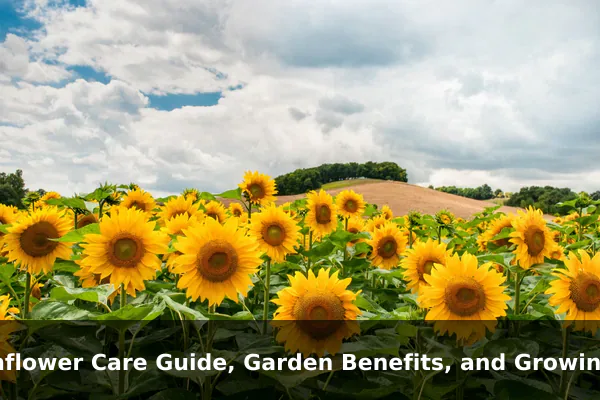
Sunflowers are among the most recognizable and rewarding plants you can grow. With their bold golden faces and impressive height, they bring instant color and energy to any garden space. Whether you are cultivating a small backyard plot or a wide open yard, sunflowers offer visual drama, practical benefits, and a deeply satisfying growing experience from seed to bloom.
This guide covers everything you need to know about sunflower care, from selecting the right planting spot to managing common problems and harvesting seeds at the end of the season. If you are a beginner or simply looking to improve your results, you will find clear, actionable advice throughout.
Why Sunflowers Stand Out in the Garden
Few garden plants match the visual impact of a fully grown sunflower. Most varieties reach between two and ten feet tall, producing large disc flowers in shades of yellow, orange, red, and even deep burgundy. Their size and color make them natural focal points in garden beds, borders, and along fences.
Beyond looks, sunflowers are practical garden additions. They grow fast, often blooming within 70 to 100 days from seed. Their tall stems provide natural structure and vertical interest without the need for trellises. Gardeners also value them for their edible seeds, which attract birds and wildlife late in the season.
- Fast growth: Most varieties bloom within 70–100 days from seed
- Pollinator magnet: Bees and butterflies visit frequently during bloom
- Edible seeds: Harvest and roast for snacking or leave for birds
- Low cost: Seeds are inexpensive and widely available
- Versatile size: Dwarf varieties suit containers; tall ones work in open beds
Sunflower Meaning and Natural Benefits
Sunflowers carry strong positive symbolism. They are widely associated with warmth, loyalty, adoration, and optimism — qualities that reflect how the plant physically tracks the sun during its early growth stages. In many cultures, gifting sunflowers represents a loyal and long-lasting bond.
In a practical sense, sunflowers support healthy garden ecosystems. Their open blooms provide easy access to nectar for bees, making them valuable companion plants near vegetable gardens. As the season ends, dried seed heads attract finches and sparrows, turning your garden into a natural feeding station through late autumn. This connection between symbolic meaning and real-world benefit is part of what makes sunflowers such a beloved garden plant.
Best Growing Conditions for Strong Blooms
Sunflowers thrive when their basic environmental needs are met. Choosing the right spot and preparing the soil properly are the two most important steps before planting.
Sunlight Requirements
Sunflowers need full sun — at least 6 to 8 hours of direct sunlight per day. Planting in shaded spots causes weak, leaning stems and reduced flowering. Always choose the sunniest area of your garden for the best results.
Soil Preferences
They prefer well-draining, slightly acidic to neutral soil with a pH of 6.0 to 7.5. Sunflowers are not overly fussy, but they struggle in waterlogged conditions. Amend heavy clay soils with compost before planting to improve drainage and root development.
Temperature and Timing
Sunflowers are warm-season plants. Sow seeds after the last frost when soil temperatures reach at least 50°F (10°C). They grow best in daytime temperatures between 70 and 78°F (21–26°C). Planting too early in cold soil leads to slow or failed germination.
How to Plant Sunflowers Successfully
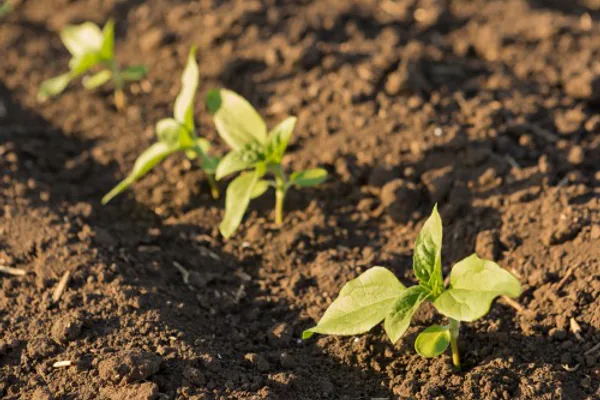
Sunflowers grow best when sown directly into the ground rather than transplanted. Their taproots are sensitive to disturbance, and direct sowing avoids transplant shock that can set plants back by weeks.
Step-by-Step Planting Guide
- Choose your timing: Sow seeds outdoors after the last frost date for your region.
- Prepare the soil: Loosen soil to a depth of 12 inches and mix in compost if needed.
- Plant the seeds: Push seeds 1 inch deep into the prepared soil.
- Space correctly: Leave 6 inches between dwarf varieties and 24 to 36 inches between tall varieties.
- Water gently: Moisten the soil after planting without flooding it.
- Wait for germination: Seedlings typically appear within 7 to 14 days.
For continuous blooms throughout summer, try succession planting — sow new seeds every two to three weeks from spring through early summer. This extends your display season without extra effort.
Sunflower Care Through the Season
Once established, sunflowers are relatively low maintenance. A few consistent habits will make a noticeable difference in stem strength and flower size over the growing season.
Watering
Water young plants regularly, keeping the soil moist but never waterlogged. Once established, sunflowers are drought-tolerant. During dry spells, water deeply once or twice a week, directing the flow at the base rather than overhead to reduce the risk of fungal problems.
Feeding
Apply a balanced fertilizer such as a 10-10-10 formula once seedlings are established and growing actively. Avoid high-nitrogen products, which encourage leafy growth at the expense of blooms. A light monthly feeding is sufficient for most garden conditions.
Staking Tall Varieties
Varieties over four feet tall may need staking to prevent wind damage. Use a sturdy garden stake and soft plant ties, securing the stem loosely to allow natural movement. Mulching around the base helps retain moisture, moderates soil temperature, and suppresses weeds throughout the season.
Common Problems and Easy Fixes
Sunflowers are generally tough and resilient, but a few issues can affect their performance if left unaddressed.
- Powdery or downy mildew: Caused by poor air circulation or overhead watering. Space plants correctly and always water at the base to keep foliage dry.
- Aphids: Small clusters appear on stems and beneath leaves. Knock them off with a firm stream of water or apply insecticidal soap for persistent infestations.
- Birds eating seeds early: Cover ripening seed heads with breathable mesh netting if you plan to harvest the seeds yourself.
- Drooping stems: Usually caused by underwatering or wind stress. Water deeply and stake the plant if needed.
- Poor or delayed flowering: Most often due to insufficient sunlight or over-fertilizing. Evaluate your planting spot and adjust in future seasons.
Growing Tips for More Flowers and Better Results
A few simple strategies will noticeably improve both the quality of your blooms and the overall usefulness of sunflowers in your garden space.
- Match variety to your space: Dwarf types like ‘Sunspot’ and ‘Little Becka’ suit containers and small beds; giants like ‘Russian Mammoth’ need open, unobstructed ground.
- Succession plant for longer bloom: Stagger your sowing dates every two to three weeks for a continuous summer display rather than one short flush.
- Deadhead branching types: Multi-stem varieties produce more flowers when spent blooms are removed promptly.
- Use as companion plants: Sunflowers attract pollinators that benefit nearby vegetables like tomatoes, cucumbers, and squash.
- Grow in containers: Dwarf varieties grow well in pots at least 12 inches deep, placed on a sunny balcony or patio where space is limited.
How to Use Sunflowers After Bloom
The end of the flowering season does not mean the end of your sunflower’s usefulness. There are several practical ways to extend value from each plant well beyond peak bloom.
Saving Seeds for Next Season
Wait until the back of the seed head turns yellow-brown and the seeds feel firm and dry. Cut the head from the stem, shake or rub out the seeds over a clean surface, and dry them fully in a warm, ventilated spot before storing in a sealed container in a cool, dry place. Properly stored seeds remain viable for planting the following spring.
Cutting for Indoor Arrangements
Cut sunflower stems in the early morning when buds are just beginning to open. Place them immediately in cool water and change the water every two days. With proper care, sunflowers last 7 to 12 days in a vase and make striking additions to any room.
Supporting Garden Wildlife
Leaving a few dried seed heads standing through autumn provides a reliable food source for finches, sparrows, and other seed-eating birds. This small step supports local biodiversity and adds structural interest to the late-season and winter garden without any extra effort.
Sunflowers are genuinely one of the easiest and most rewarding plants you can grow. They ask for little — sunshine, decent soil, and occasional deep watering — and return the favor with bold color, active pollinator visits, and edible seeds. Whether you grow them for cutting, for attracting wildlife, or simply for the joy of watching something spectacular rise from a tiny seed, sunflowers are a garden staple worth planting every single season.
