
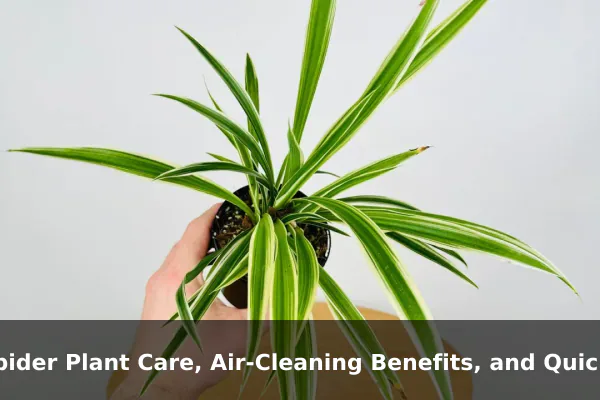
Few houseplants have earned as much affection as the spider plant (Chlorophytum comosum). With its arching green-and-cream leaves, dangling baby plantlets, and forgiving nature, it has become a staple of windowsills, bookshelves, and hanging baskets around the world. It is also one of the first plants people mention when the topic turns to indoor air quality, thanks to a famous NASA study from the 1980s.
This guide blends practical care with an evidence-aware look at what spider plants can and cannot do for the air inside your home. You will learn how to keep them thriving, what their growth symbolizes, how to propagate the endless supply of pups they produce, and how to think realistically about their air-cleaning reputation. The goal is a balanced picture that helps you enjoy this charming plant without overstating its powers.
Why Spider Plants Remain a Favorite Indoor Plant
The spider plant has stayed popular for decades because it checks almost every box a beginner gardener cares about. It tolerates inconsistent watering, adapts to a range of light conditions, and rewards even modest care with steady growth and cascading offshoots. In the broader world of plant benefit and meaning, it is often described as one of the most generous houseplants because a single mother plant can produce dozens of new babies over its lifetime.
Common Names and Recognizable Features
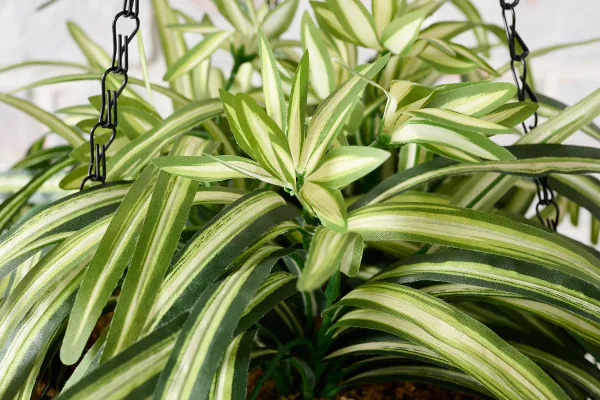
You may see it sold as spider plant, ribbon plant, airplane plant, or spider ivy. Most varieties have long, narrow leaves with a creamy white stripe down the center or edges, although all-green forms exist. The plant sends out wiry stems called stolons that carry small white flowers and, eventually, miniature plantlets that look like tiny versions of the parent.
Who It Suits Best
Spider plants are an excellent choice for:
- First-time plant owners who want a confidence-building win.
- Renters and students who need a low-maintenance companion.
- Anyone with small spaces, since the plant thrives in hanging pots and tight corners.
- Gift givers, because every mature spider plant becomes a source of free starter plants.
Spider Plant Meaning and Everyday Benefits
Within the language of plants, the spider plant is often linked to growth, renewal, resilience, and generosity. The way a mother plant keeps offering new pups makes it a natural symbol of abundance and sharing. Many people pass plantlets between friends, family members, and neighbors, turning a single plant into a small community of connected greenery.
Beyond symbolism, spider plants can support everyday wellbeing in simple ways. Caring for a living plant introduces a small daily routine, adds soft visual texture to a room, and brings a slice of nature indoors. These are gentle, lifestyle-level benefits rather than medical effects, and they pair nicely with other healthy habits like opening windows and getting outdoor light.
What Science Says About Air-Cleaning Claims
The spider plant’s reputation as an air purifier traces back largely to a NASA study from 1989 on interior landscape plants and indoor air pollution. In that research, plants were placed in small, sealed chambers and measured for their ability to reduce certain volatile organic compounds, including formaldehyde. Spider plants performed reasonably well in those controlled conditions, and the headline travelled far beyond the original paper.
Reading the NASA Result in Context
The sealed-chamber setup is very different from a typical home or office. Real rooms have air leaks, ventilation, furniture, and a constant flow of new pollutants. According to a peer-reviewed review published in the Journal of Exposure Science & Environmental Epidemiology, the clean air delivery rates reported for potted plants tend to be small compared with normal air exchange in buildings. The authors concluded that, in realistic settings, potted plants do not meaningfully improve indoor air quality on their own.
What the EPA Recommends Instead
The U.S. Environmental Protection Agency emphasizes three main strategies for healthier indoor air: controlling pollution sources, improving ventilation, and using appropriate air cleaning devices when needed. Houseplants are not listed as a primary tool. A practical takeaway is to enjoy spider plants for their beauty and routine value, while relying on ventilation, source control, and proper filtration for actual air quality.
Spider Plant Care: Light, Water, Soil, and Temperature
Practical care advice for Chlorophytum comosum is well documented by university extension services such as Clemson Cooperative Extension. The basics are easy to follow even if you have never grown a plant before.
Light
Spider plants prefer bright, indirect light. An east or north-facing window is usually ideal. They tolerate lower light, but growth will slow and variegation may fade. Direct, intense afternoon sun can scorch the leaves, especially through glass.
Watering
Water when the top inch of soil feels dry to the touch. The plant stores moisture in its thick, tuberous roots, so it forgives the occasional missed watering more easily than it forgives soggy soil. Generally:
- Water thoroughly until liquid drains from the bottom of the pot.
- Empty the saucer so roots do not sit in standing water.
- Allow the surface to dry before the next round.
Spider plants can be sensitive to fluoride and certain salts in tap water, which may contribute to brown leaf tips. If your tap water is heavily treated, consider using filtered, rain, or distilled water.
Soil and Potting
Use a general-purpose, well-drained potting mix. A pot with drainage holes is essential. Spider plants grow vigorously and can become root-bound; repotting every one to two years into a slightly larger container keeps them healthy.
Temperature and Humidity
Normal indoor temperatures, roughly comfortable for people, suit spider plants well. They tolerate average household humidity but appreciate a little extra moisture in very dry winter air. Keep them away from cold drafts and heating vents.
Common Spider Plant Problems and Simple Fixes
Most spider plant troubles are easy to read and easy to correct.
- Brown leaf tips: Often linked to fluoride, salt buildup, underwatering, or very dry air. Flush the soil with clean water occasionally and review your water source.
- Pale, washed-out leaves: Usually a sign of too much direct sun. Move the plant back from the window or filter the light with a sheer curtain.
- Slow growth or no babies: Could mean too little light, a pot that is too large, or a plant that simply needs more time to mature.
- Soft, yellow base: Likely overwatering or poor drainage. Let the soil dry, check the roots, and repot if needed.
- Pests: Spider mites, aphids, and mealybugs can appear in dry indoor conditions. Wipe leaves with a damp cloth and treat with insecticidal soap if necessary.
How to Propagate Spider Plant Babies
Propagation is one of the most rewarding parts of growing spider plants and a clear expression of the plant’s symbolism of abundance and sharing. Each pup is essentially a ready-made gift.
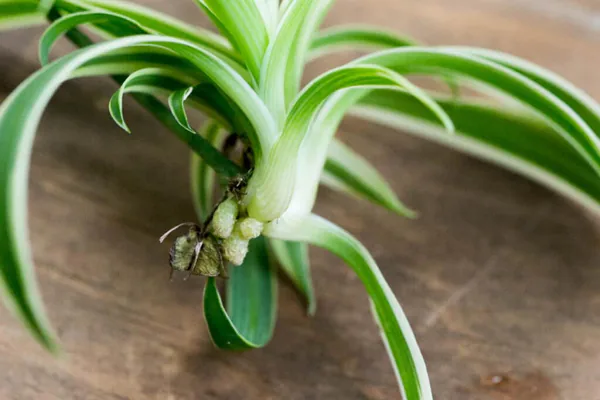
When to Take a Pup
Wait until the plantlet has several leaves and small nubs or roots forming at its base. At that point it is mature enough to root quickly on its own.
Water Propagation
- Snip the pup from the stolon, leaving a short stub.
- Place the base in a small glass of clean water, with leaves above the rim.
- Change the water every few days and wait for roots about an inch long.
- Pot up in a well-drained mix once roots are established.
Soil Propagation
You can also press the base of a healthy pup directly into moist potting mix. Keep the soil lightly damp and out of harsh sun until new growth signals that roots have taken hold. Some growers even leave pups attached to the mother plant while they root into a neighboring pot, then snip the connection once they are established.
Pet Safety and Placement Tips
According to the ASPCA Animal Poison Control database, Chlorophytum comosum is listed as non-toxic to cats, dogs, and horses. That is reassuring news for pet households, especially compared with many trendier indoor plants that carry real toxicity concerns.
Even so, sensible placement is wise:
- Cats are often attracted to the dangling leaves and may chew them, which can cause mild stomach upset or vomiting if eaten in quantity.
- Hanging baskets, high shelves, and plant stands can keep curious pets away from heavy chewing.
- If a pet shows ongoing digestive symptoms after eating any plant, contact a veterinarian.
Quick Facts Before You Buy or Grow One
If you want a fast snapshot before bringing one home, this checklist covers the essentials.
- Botanical name: Chlorophytum comosum
- Care level: Beginner friendly and forgiving.
- Light: Bright, indirect light; tolerates lower light with slower growth.
- Watering: Let the top inch of soil dry between waterings.
- Soil: Standard well-drained potting mix in a pot with drainage holes.
- Mature size: Typically around 1 to 2 feet wide with cascading stems.
- Propagation: Very easy from plantlets in water or soil.
- Pet status: Listed as non-toxic to cats, dogs, and horses by the ASPCA.
- Best placements: Hanging baskets, shelves, bathrooms with a window, and bright office corners.
Final Takeaway: A Helpful Plant, Not a Replacement for Ventilation
The spider plant earns its long-running popularity through a rare combination of forgiveness, beauty, and generosity. It rewards minimal effort with steady growth and a constant supply of new pups you can share. Its symbolism of resilience and renewal fits naturally with its real behavior, and its non-toxic status makes it a comfortable choice for households with curious cats and dogs.
On the air-cleaning front, the most honest answer is a measured one. The original NASA research is real, but it described sealed-chamber conditions that do not translate cleanly into living rooms. Peer-reviewed reviews and EPA guidance both point toward ventilation, source control, and proper filtration as the main tools for healthier indoor air. Think of your spider plant as a welcome companion to those strategies rather than a substitute for them, and you will enjoy everything it has to offer without disappointment.
Official references
- U.S. Environmental Protection Agency – Improving Indoor Air Quality – Authoritative guidance for indoor air quality and a key source for tempering houseplant air-cleaning claims in real homes and offices.
- NASA Technical Reports Server – Interior Landscape Plants for Indoor Air Pollution Abatement – Primary NASA report behind many houseplant air-purification claims, useful for explaining the original sealed-chamber context.
- Journal of Exposure Science & Environmental Epidemiology – Potted plants do not improve indoor air quality – Peer-reviewed review analyzing reported VOC removal rates and whether potted plants meaningfully improve indoor air quality in typical buildings.
- Clemson Cooperative Extension – Spider Plant – University extension fact sheet for practical spider plant care, propagation, light, watering, and common problems.
- ASPCA Animal Poison Control – Spider Plant – Primary pet-safety reference listing Chlorophytum comosum toxicity status for cats, dogs, and horses.
