
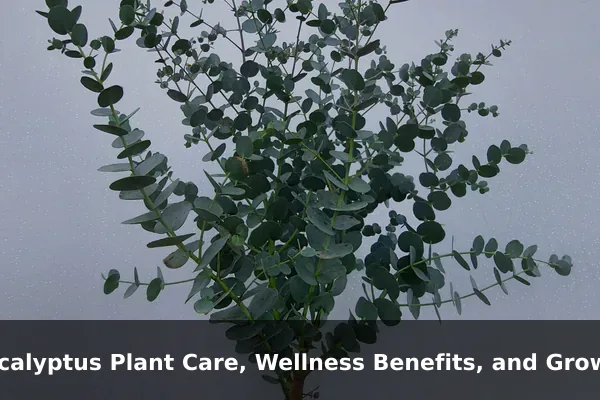
Few plants combine ornamental beauty, soothing aroma, and quiet symbolism quite like eucalyptus. With its coin-shaped silvery leaves, fresh menthol-like fragrance, and graceful presence in florist bouquets, eucalyptus has become a favorite in modern homes, wellness corners, and patio gardens. Whether you have spotted a potted silver dollar eucalyptus at a nursery or admired a dried bundle hanging from a showerhead, the plant carries an inviting blend of calm, cleanliness, and natural elegance.
Yet eucalyptus is also widely misunderstood. Care needs vary dramatically by species, wellness claims tied to its essential oil need cautious framing, and safety considerations matter for both people and pets. This practical guide walks through what eucalyptus means to growers, how to keep it healthy at home, what the plant can reasonably offer for wellness, and where the line falls between everyday enjoyment and risky use. The aim is to help you grow and appreciate eucalyptus confidently, without overstating what a houseplant can do.
The information below leans on horticultural references from university extension programs and botanical gardens, along with consumer-health guidance for safety questions. Specific cultivars behave differently, so treat the tips as a starting framework you can adjust to your species, climate, and home conditions.
What Eucalyptus Represents and Why People Grow It
Eucalyptus is a large genus native primarily to Australia, with hundreds of species ranging from towering forest trees to compact ornamental varieties. In homes and floral design, growers most often encounter Eucalyptus cinerea (silver dollar eucalyptus), Eucalyptus gunnii (cider gum), and Eucalyptus globulus (Tasmanian blue gum), each prized for its juvenile foliage rather than its mature canopy.
Beyond looks, eucalyptus carries gentle symbolism that helps explain its popularity in modern interiors and wellness spaces.
Common Meanings and Associations
- Cleansing and renewal: the crisp menthol scent is often linked with a sense of freshness and a clear, restful environment.
- Protection: in some cultural traditions eucalyptus branches are tucked into doorways or bundled as decor to signal a calm, watchful home.
- Healing atmosphere: in spas and wellness rooms the aroma is associated with relaxation, though atmosphere is not the same as medical treatment.
- Abundance and longevity: tall, fast-growing eucalyptus trees naturally evoke vitality and resilience.
People grow eucalyptus for many overlapping reasons: as a striking ornamental, as cut foliage for vases, as a fragrant accent in bathrooms, and as a meaningful decorative plant that brings a soft, silvery tone into modern interiors.
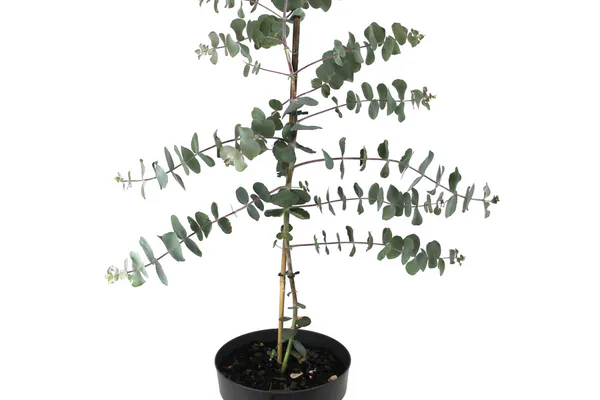
Best Growing Conditions for a Healthy Eucalyptus Plant
Eucalyptus is generally a sun-loving, well-drained-soil plant that resents cold, wet feet. Most ornamental species are grown outdoors in warm climates, while gardeners in cooler regions often grow them in containers and overwinter them indoors near a bright window.
Light, Soil, and Temperature
- Sunlight: aim for full sun outdoors, or the brightest possible indoor spot, ideally a south- or west-facing window. Insufficient light leads to leggy, weak growth and faded foliage.
- Soil: a loose, fast-draining mix is essential. A standard potting mix amended with extra perlite or coarse sand works well in containers.
- Drainage: pots must have drainage holes. Eucalyptus is prone to root problems when soil stays saturated.
- Temperature: most ornamental eucalyptus species prefer mild to warm conditions and dislike hard freezes. Cold tolerance varies by species, so check the label for your specific cultivar.
- Airflow: good airflow reduces fungal issues, especially indoors where stagnant air can encourage stress.
Outdoor Versus Container Growing
In the ground, certain eucalyptus species can grow quickly into large trees, which may not suit every yard. Some species are also considered invasive or fire-prone in particular regions, so check local guidance before planting. In containers, you can enjoy the same silvery foliage while keeping size manageable through pruning and pot selection.
Watering, Feeding, and Pruning Basics
Eucalyptus prefers a balance: deep, thorough watering when the soil begins to dry, rather than constant light sprinkles or soggy conditions. Inconsistent watering is one of the most common reasons potted eucalyptus struggles.
Watering Guidance
- Check the top one to two inches of soil; water when this layer feels dry.
- Water deeply until liquid drains from the bottom, then empty the saucer so roots do not sit in water.
- In hot weather or wind, container plants may need water more often. Indoors with low light, they need less.
- Slow, gradual wilting often signals dryness, while sudden leaf drop after wet soil can signal root stress.
Feeding
Eucalyptus is generally a light feeder. A diluted balanced fertilizer applied occasionally during the active growing season is usually sufficient. Avoid heavy nitrogen feeding, which can encourage soft, weak growth that is more prone to pests and breakage.
Pruning and Harvesting
- Prune in the active growing season to encourage bushier juvenile foliage, which is the round, silvery growth most people want.
- Use clean, sharp pruners and remove no more than a third of the plant at a time.
- Harvested stems can be enjoyed fresh in a vase or hung upside down in a dry, airy space to dry for arrangements.
- Regular light pruning helps keep container plants compact and full.
Common Problems, Pests, and Stress Signals
Most eucalyptus problems trace back to environment, not disease. Reading the plant carefully and adjusting one variable at a time is the most reliable way to recover a struggling specimen.
Typical Issues
- Leaf drop: often caused by drought stress, root rot from soggy soil, or sudden cold drafts.
- Wilting: can indicate dryness, but check the soil first; wet-soil wilt usually means roots are damaged.
- Yellowing leaves: may signal overwatering, poor drainage, or nutrient imbalance.
- Leggy, sparse growth: usually a sign of insufficient light, especially indoors.
- Pest pressure: outdoors, certain regions deal with eucalyptus-specific pests; indoors, watch for general houseplant pests like scale or spider mites in dry conditions.
When the Species Is the Real Issue
If a plant continues to struggle despite good care, the species may simply be poorly matched to your climate or indoor light. Switching to a more adaptable cultivar, or moving an outdoor variety to a brighter, sheltered location, often solves chronic problems better than constant micro-adjustments.
Wellness Benefits: What Eucalyptus Can and Cannot Promise
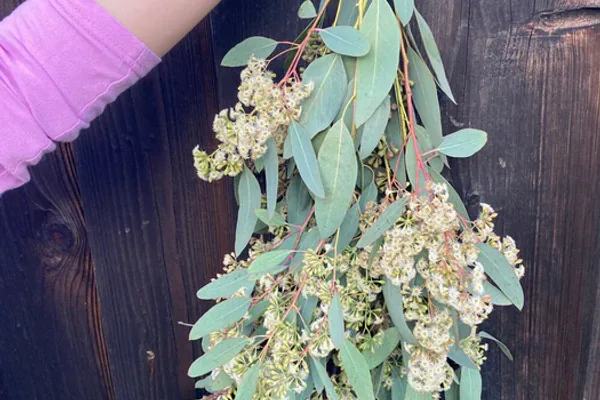
Eucalyptus is widely associated with a clean, refreshing atmosphere, and that experience is genuinely valued in many homes. Hanging a bundle of fresh stems in the shower releases volatile compounds when warmed by steam, contributing to a spa-like ambience. A vase of fresh foliage on a desk or nightstand adds a subtle, calming aroma.
However, it is important to separate atmosphere and self-care enjoyment from medical claims. Regulators such as the U.S. Food and Drug Administration note that when aromatherapy or essential oil products are marketed with claims to treat or prevent disease, those claims can move the product into drug territory and require corresponding evidence. In other words, enjoying a comforting scent is not the same as treating an illness, and home use of cut eucalyptus or diffused oil should not be presented as medical therapy.
Reasonable, Cautious Ways to Enjoy Eucalyptus
- Hanging a small bundle of fresh stems in a steamy bathroom for fragrance.
- Arranging cut foliage in vases for visual and aromatic enjoyment.
- Tucking dried stems into closets or drawers as a natural-scent accent.
- Using commercial eucalyptus-scented products as labeled, not as substitutes for medical care.
If you experience a persistent cough, congestion, or other symptoms, the right step is to consult a qualified healthcare professional rather than rely on a houseplant.
Safety Notes for People, Pets, and Essential Oils
Eucalyptus plants and especially concentrated eucalyptus essential oil require careful handling. Consumer-health references such as MedlinePlus describe eucalyptus oil ingestion as a poisoning risk that may require urgent medical attention. The plant itself can also irritate sensitive individuals.
Key Safety Reminders
- Do not swallow eucalyptus essential oil. Even small amounts can be harmful, particularly for children. If accidental ingestion occurs, contact a poison control center or seek emergency medical care immediately.
- Keep essential oils out of reach of children and pets. Store bottles securely with tightly closed lids.
- Use caution with pets. Cats, dogs, and other animals can be sensitive to many essential oils and certain plants. Check with a veterinarian before using strongly scented products around pets, and prevent chewing of plant material.
- Watch for skin sensitivity. Concentrated essential oils should be diluted appropriately and patch-tested. Discontinue use if irritation appears.
- Be mindful of asthma or respiratory conditions. Strong fragrances can trigger sensitivity in some people; ventilate the space and stop use if discomfort arises.
A simple rule of thumb: enjoy eucalyptus as a plant and as ambience, but treat its essential oil as a potent product that deserves the same respect as any other concentrated household substance.
Simple Growing Tips for Containers and Small Spaces
Container culture is the most practical way to grow eucalyptus in apartments, on balconies, or in regions with cold winters. With the right setup, even a modest pot can support a beautiful, aromatic plant for years.
Container Setup Checklist
- Choose a sturdy pot with multiple drainage holes; terracotta helps wick excess moisture.
- Use a fast-draining potting mix and consider topping with a thin layer of gravel for stability.
- Place the plant in the brightest available spot; outdoors during the warm season is ideal.
- Rotate the pot every week or two so all sides receive light evenly.
- Prune young stems regularly to maintain a bushy shape and prevent the plant from outgrowing the pot.
- Repot every one to two years, refreshing the mix and trimming circling roots.
Overwintering in Cooler Climates
If your region experiences hard frosts, move container eucalyptus indoors before nighttime temperatures drop close to freezing. Place it near the brightest window available, reduce watering to match slower growth, and avoid placing the plant near heating vents that dry the air aggressively. Resume normal care and gradually reintroduce outdoor sun in spring after the last frost.
How to Use Eucalyptus at Home Without Harming the Plant
Part of the joy of growing eucalyptus is enjoying its foliage indoors. With thoughtful harvesting, you can take cuttings without weakening the plant.
Plant-Friendly Uses
- Selective cutting: take a few stems at a time rather than stripping the plant, and cut just above a leaf node to encourage branching.
- Fresh vase arrangements: change water every few days and recut stems at an angle for longer-lasting displays.
- Dried bundles: hang harvested stems upside down in a dark, airy spot for one to two weeks; dried bundles hold their color and scent for months.
- Decorative accents: weave stems into wreaths, garlands, or table centerpieces for a natural, seasonal touch.
- Subtle natural fragrance: place small bundles in linen closets or near entryways for a gentle scent without resorting to synthetic air fresheners.
Avoid heavy pruning all at once, especially on young or stressed plants. Gentle, ongoing harvesting keeps the plant healthy and continuously productive.
Conclusion
Eucalyptus rewards growers who respect its preferences: bright light, well-drained soil, deep but careful watering, and regular light pruning to keep its silvery foliage compact and lush. Its symbolism of cleansing, calm, and renewal pairs beautifully with its real-world strengths as ornamental greenery and ambient fragrance.
At the same time, the most trustworthy way to enjoy eucalyptus is to keep wellness expectations grounded. The plant can lift a room visually and aromatically, but it is not a substitute for medical care, and its concentrated essential oil requires serious caution, especially around children, pets, and anyone prone to sensitivities. Reliable horticultural sources, consumer-health references, and professional medical guidance should be your touchstones when questions arise.
Approached this way, eucalyptus becomes a long-term companion plant: striking to look at, gentle on the senses, and a thoughtful addition to a mindful, well-cared-for home.
Official references
- North Carolina Extension Gardener Plant Toolbox – Eucalyptus – Useful for eucalyptus identification, basic growing conditions, and toxicity cautions including eucalyptus oil ingestion risk.
- Missouri Botanical Garden Plant Finder – Eucalyptus cinerea – Authoritative horticultural reference for silver dollar eucalyptus culture, sun, water, pruning, containers, overwintering, and landscape use.
- UC IPM – Eucalyptus – University source for eucalyptus growing conditions, pest and disease issues, water stress, and cautions about invasiveness in some species.
- FDA – Aromatherapy – Anchors claims about essential oils and aromatherapy, including when wellness or therapeutic claims may be treated as drug claims.
- MedlinePlus – Eucalyptus Oil Overdose – Primary consumer health reference for human safety risks from swallowing eucalyptus oil and when to seek poison-control help.
