

Few herbs feel as welcoming as chamomile. With its daisy-like flowers, apple-scented foliage, and long association with rest and gentle herbal traditions, it has earned a spot in cottage gardens, herb beds, and quiet kitchen rituals for centuries. Whether you are drawn to chamomile for its delicate blooms, its pollinator-friendly nature, or the soft cup of tea it inspires, it is one of the more rewarding herbs a home gardener can grow.
This guide walks through chamomile plant care, its traditional soothing benefits, and practical garden tips you can use whether you are tending a backyard plot or a sunny balcony container. It also takes a careful, source-aware approach to benefit claims, since chamomile is often discussed alongside health topics where overstatement is easy and accuracy matters.
What Chamomile Represents in the Garden and Home
In the language of plants, chamomile is widely associated with calm, patience, rest, and quiet resilience. Its low-growing form, soft fragrance, and willingness to bloom in modest conditions have made it a symbol of gentleness in many gardening traditions. In folk herbal lore, it is often linked with comfort at the end of a long day, a meaning that travels well into modern wellness culture.
From a Plant Benefit and Meaning perspective, chamomile is interesting because its symbolism mirrors how people actually use it: as a small, dependable presence that smooths rough edges rather than dominates a garden or a routine. Pairing the plant’s symbolic meaning with its real-world behavior helps you set realistic expectations for what chamomile offers at home.
German vs. Roman Chamomile: Which One Are You Growing?
Most chamomile you will encounter belongs to one of two species, and knowing which one you have shapes your care decisions and harvest plans.
German chamomile (Matricaria chamomilla)
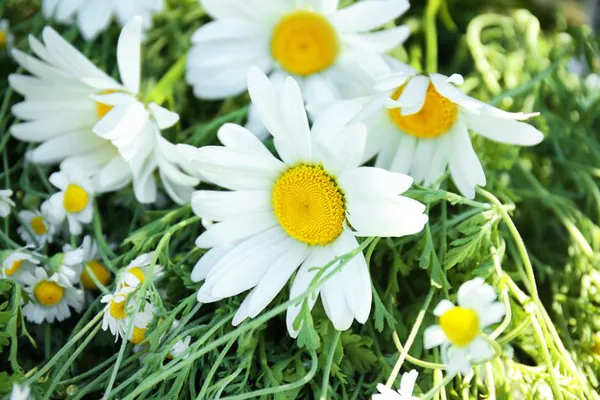
German chamomile is an upright annual that can reach roughly knee height in a good season. It is the type most commonly grown for tea, with hollow flower receptacles and a fresh, apple-like aroma. According to university extension resources such as the University of Wisconsin-Madison Extension, German chamomile self-seeds readily, which is why a single planting often produces volunteers for years.
Roman chamomile (Chamaemelum nobile)
Roman chamomile is a low, spreading perennial in suitable climates. It is sometimes used as a fragrant lawn alternative in small patches or between stepping stones because it tolerates light foot traffic. Its flowers can also be used in herbal preparations, though the flavor tends to be more bitter than German chamomile.
For most home gardens focused on tea and cut flowers, German chamomile is the typical choice. If you are planning a fragrant groundcover or a perennial border edge, Roman chamomile may suit better.
Best Growing Conditions for Healthy Chamomile
Chamomile is forgiving, but it rewards a few small choices made up front. University extension profiles, including the NC State Extension Gardener Plant Toolbox, generally agree on the following preferences.
- Light: Full sun is ideal, though chamomile tolerates light afternoon shade in hot climates.
- Soil: Well-drained, average-fertility soil. Overly rich soil often produces lush leaves and fewer flowers.
- Drainage: Critical. Chamomile dislikes soggy roots and may rot in heavy, wet soil.
- Temperature: Cool to moderate temperatures suit it best; it can struggle in prolonged high heat and humidity.
- Spacing: Thin seedlings so plants have room for airflow, which reduces fungal problems.
- Containers: Works well in pots at least 20-25 cm deep with drainage holes and a light potting mix.
Chamomile Plant Care Through the Season
Once chamomile is established, it does not ask for much. The goal is steady, moderate care rather than heavy feeding or constant watering.
Watering
Water young seedlings regularly to help roots develop, then shift to a more restrained schedule once plants are settled. Let the top layer of soil dry slightly between waterings, and avoid leaving foliage wet overnight when possible. Container chamomile usually needs more frequent checking than in-ground plants, especially in warm weather.
Feeding
Chamomile rarely needs strong fertilizer. A modest amount of compost worked into the bed at planting is often enough. Over-fertilizing tends to encourage floppy stems and fewer flowers, which defeats the point of growing it.
Pruning and pinching
Light pinching of the growing tips on young German chamomile can encourage bushier plants and more flowering stems. Removing spent flowers also extends the bloom window and keeps the plant looking tidy.
Pest watch
Chamomile is generally pest-tolerant. Watch for aphids on tender new growth, and treat them with a strong spray of water or a mild insecticidal soap if needed. Good spacing and airflow prevent most fungal issues.
How and When to Harvest Chamomile Flowers
Harvesting at the right moment makes a noticeable difference in flavor and aroma.
- Watch the bloom stage: Pick flowers when the white petals are fully open and the yellow centers are domed but not yet browning.
- Harvest in the morning: After the dew has dried but before the sun is at its strongest, when essential oils are typically highest.
- Pinch or snip flower heads: Leave most of the stem on the plant so it can keep producing.
- Dry properly: Spread flowers in a single layer on a clean screen or tray in a warm, dry, shaded space with good airflow.
- Store carefully: Once flowers are fully dry and crisp, place them in an airtight jar away from light and heat.
Avoid harvesting wet flowers or packing them away before they are completely dry. Trapped moisture is the main cause of mold and musty flavor in homegrown chamomile.
Soothing Benefits: What Chamomile Is Traditionally Used For
Chamomile is most famous for its calming reputation. The U.S. National Center for Complementary and Integrative Health (NCCIH) notes that chamomile has been used traditionally for sleep, anxiety, and digestive comfort, while also pointing out that evidence for many of these uses is limited and study quality varies. That nuance is important. Chamomile can be a pleasant, comforting part of a daily routine without being a substitute for medical care.
Common traditional uses you will see referenced include:
- A warm cup of chamomile tea as part of a wind-down or bedtime routine.
- Mild digestive comfort after meals.
- Aromatic use in baths, sachets, or simple skin-care preparations.
- A gentle, caffeine-free alternative to other evening beverages.
If you are considering chamomile in supplement form rather than as occasional tea, the U.S. Food and Drug Administration (FDA) reminds consumers that dietary supplements are regulated differently than medications, and that product quality, dosage, and claims vary widely. Reading labels carefully and choosing reputable products is sensible.
Safety Notes Before Using Chamomile
Chamomile is generally considered a gentle herb, but it is not risk-free, and a few cautions are worth knowing before you make it a regular habit.
- Allergy risk: People sensitive to plants in the Asteraceae family, such as ragweed, daisies, or marigolds, may also react to chamomile.
- Medication interactions: Chamomile may interact with certain medications, including some blood thinners. If you take prescription medication, it is wise to ask a qualified health professional before using chamomile regularly.
- Pregnancy and breastfeeding: NIH resources note that safety information for chamomile during pregnancy and lactation is limited and not fully established, so caution and professional guidance are appropriate.
- Children and infants: Use should be discussed with a pediatric provider, especially for very young children.
- Topical reactions: Skin sensitivity is possible, so patch testing is a reasonable step before any topical use.
This article does not provide medical advice. If you have a specific health concern, talk with a qualified healthcare provider who knows your situation.
Garden Design Tips and Companion Uses
Chamomile is small in stature, but it has real design value.
Cottage and herb gardens
Its airy, daisy-like flowers soften the edges of more structured herbs like rosemary, sage, and thyme. A short row of chamomile at the front of an herb bed adds movement and a gentle scent without crowding neighbors.
Pollinator-friendly plantings
Bees and small beneficial insects are often drawn to chamomile flowers. Including a patch can support pollinator activity in vegetable gardens and mixed borders.
Small spaces and containers
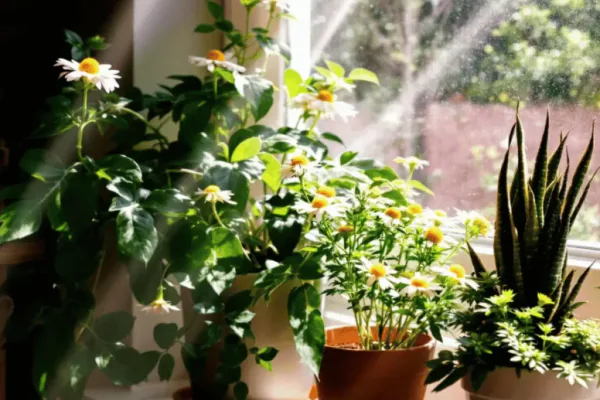
A wide, shallow container of German chamomile on a sunny balcony can produce enough flowers for occasional tea, while Roman chamomile fits nicely between paving stones in a small courtyard where it can be brushed for fragrance.
Common Chamomile Growing Problems and Simple Fixes
Most chamomile troubles are minor and easy to correct once you spot the cause.
- Leggy, floppy growth: Often a sign of too little sun or overly rich soil. Move containers to brighter spots and ease off on fertilizing.
- Few flowers: Check sun exposure and avoid heavy nitrogen feeding. Pinching early growth can help encourage more flowering shoots.
- Yellow lower leaves and rotting stems: Usually overwatering or poor drainage. Improve soil drainage and let the surface dry between waterings.
- Weak seedlings: Crowding and damping-off are common. Thin seedlings and avoid wet, cold soil at planting time.
- Surprise volunteers: German chamomile self-seeds enthusiastically. Either welcome the volunteers or deadhead flowers before they set seed.
- Musty dried flowers: The harvest was likely stored before being fully dry. Use a longer drying time and check for crispness before sealing jars.
A Simple Chamomile Care Checklist
Use this short checklist as a quick reference once your chamomile is in the ground or in a pot.
- Plant in full sun with well-drained, moderate-fertility soil.
- Water young plants regularly, then ease back as they mature.
- Skip heavy fertilizing; a little compost goes a long way.
- Pinch tips early for bushier plants and more flowers.
- Harvest flowers when fully open, in the morning, after dew has dried.
- Dry flowers in a warm, shaded, airy spot until completely crisp.
- Store dried flowers in airtight jars away from light and heat.
- Enjoy chamomile in tea or simple herbal routines in moderate amounts.
- Be cautious if you have ragweed-family allergies, take medications, or are pregnant or breastfeeding.
- Let some flowers go to seed if you want easy volunteers next season.
Final Thoughts on Growing and Enjoying Chamomile
Chamomile is one of those rare plants that quietly earns its keep. It is forgiving in the garden, generous with its flowers, and gentle in the cup. Treat it as a long-term companion rather than a quick miracle, and it will reward you with seasons of soft blooms, fragrant harvests, and a small daily ritual that fits naturally into a calmer evening routine.
By matching realistic care with cautious, source-aware expectations about benefits, you can enjoy chamomile the way it has been enjoyed for generations: as a humble, soothing, beautifully ordinary herb that feels just right in a thoughtful garden.
Official references
- NIH NCCIH – Chamomile: Usefulness and Safety – Authoritative NIH fact sheet for chamomile benefits, evidence limits, safety, allergy risks, pregnancy/breastfeeding uncertainty, and medication interactions.
- NCBI Bookshelf LactMed – Chamomile – Primary NIH/NLM reference for chamomile use and safety considerations during lactation.
- FDA – Questions and Answers on Dietary Supplements – Useful for keeping herbal supplement and health-benefit language accurate, especially around claims, regulation, and consumer safety.
- University of Wisconsin-Madison Extension – Chamomile, Matricaria chamomilla – University extension source for German chamomile identification, growing conditions, propagation, harvest timing, and garden care.
- NC State Extension Gardener Plant Toolbox – Matricaria chamomilla – University extension plant profile covering cultural conditions, landscape use, edibility, and allergy/toxicity notes.
