
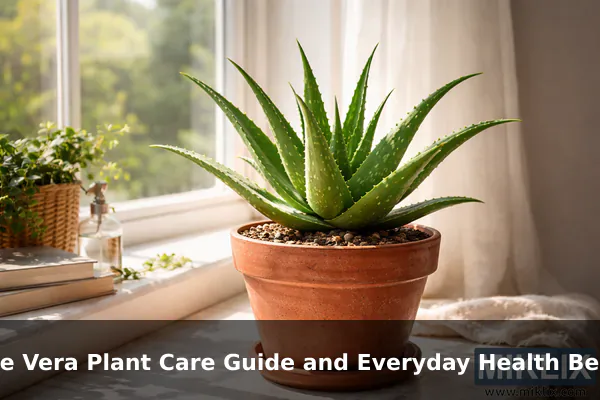
Few houseplants combine sculptural beauty, easy care, and a long tradition of practical use as gracefully as aloe vera. With its thick, pointed leaves and quiet, architectural shape, this succulent has earned a permanent place on sunny windowsills around the world. It is admired for its appearance, its symbolism, and the soothing gel inside its leaves, which has been used for centuries in topical home remedies.
This guide brings together two sides of aloe that often get tangled in popular articles. First, the practical horticulture: how to grow aloe vera successfully indoors with the right light, soil, and watering rhythm. Second, the everyday benefits: which uses are reasonable to discuss, and where readers should be cautious, especially when it comes to oral aloe products or supplements. The goal is a balanced, trustworthy resource that respects both the plant and the reader.
Because aloe vera sits at the intersection of decoration, symbolism, and wellness, it is one of the most representative plants for the wider conversation about plant meaning and benefit. Treated with restraint and a little knowledge, it can thrive for years and quietly support small parts of daily life without overstating what a single plant can do.
Why Aloe Vera Belongs in the Home
Aloe vera is popular for very practical reasons. It tolerates the kind of warm, dry, sunlit conditions that exist in many living rooms, and it stores water in its fleshy leaves, which makes it forgiving of forgetful watering. According to horticultural references such as the Missouri Botanical Garden Plant Finder and the NC State Extension Gardener Plant Toolbox, aloe is well suited to bright indoor spots and only requires careful attention to drainage and overwatering.
Beyond its convenience, aloe carries a strong visual identity. Its rosette of upright leaves provides clean lines that fit modern, minimalist, and traditional interiors alike. It pairs well with terracotta, ceramic, and stone planters, and a single mature specimen can serve as a quiet focal point on a desk, shelf, or kitchen counter.
A Plant That Fits Modern Lifestyles
Many people search for low-maintenance plants because their schedules are full. Aloe vera fits that need without sacrificing personality. It rewards benign neglect more than constant fussing, which is unusual among popular houseplants. For beginners, small-space dwellers, and renters with limited light options, aloe is one of the most forgiving choices available.
Aloe Vera Meaning and Symbolism
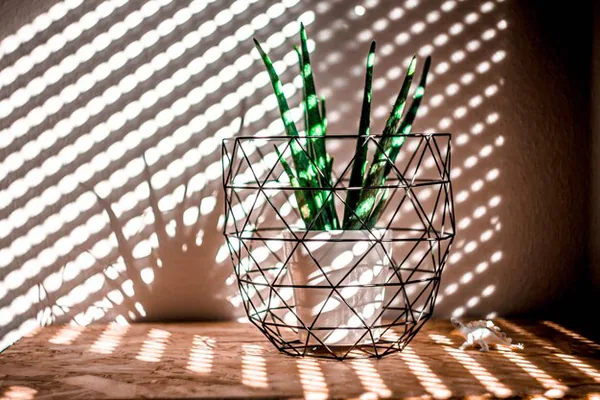
In the language of plants, aloe vera is most often associated with healing, protection, resilience, and renewal. These associations grew out of its long history as a topical remedy and its ability to recover quickly from drought, damaged leaves, and crowded pots. People kept aloe near doorways, kitchens, and sickrooms because it was useful, hardy, and easy to share through offsets.
Today, that symbolism still shapes how people choose and gift the plant. Aloe vera is often given as a housewarming present, a recovery gift, or a starter plant for someone new to indoor gardening. While these symbolic meanings are culturally meaningful, they should not be confused with medical claims. The plant can represent care; it cannot replace it.
Common Symbolic Themes
- Healing: linked to its traditional topical use on minor skin irritation.
- Protection: historically placed near entryways and kitchens.
- Resilience: reflects the plant’s ability to survive drought and recover from damage.
- Renewal: mirrors how it produces new pups and regrows from offsets.
- Quiet wellness: represents a slower, calmer relationship with the home environment.
Best Growing Conditions for Aloe Vera
The single most important factor in aloe vera care is light. Aloe thrives in bright, indirect light and benefits from several hours of direct sun through a window. Without enough light, the leaves stretch, flop, and lose their compact form. With sudden intense sun, especially after a dim winter, the leaves can scorch, so it is wise to introduce strong light gradually.
The second most important factor is drainage. Aloe roots are highly sensitive to standing moisture. Use a pot with at least one drainage hole and a gritty, fast-draining mix designed for cacti and succulents. A heavier all-purpose potting soil holds too much water and is the most common cause of root rot in indoor aloes.
Light, Pot, and Soil Recommendations
- Light: a south- or west-facing window is ideal; supplement with a grow light in dim rooms.
- Pot: unglazed terracotta is excellent because it breathes and helps soil dry between waterings.
- Soil: a commercial cactus and succulent mix, or potting soil amended with coarse sand and perlite.
- Temperature: comfortable household temperatures suit it well; avoid prolonged cold below typical room range.
- Air: good airflow helps prevent fungal issues, but avoid cold drafts from doors or air conditioners.
Outdoors, aloe vera can grow well in warm, frost-free climates with full sun to light afternoon shade. In cooler regions, it is safer to grow it as a container plant that moves indoors before temperatures drop.
Watering, Feeding, and Seasonal Care
Watering is where most aloe vera plants succeed or fail. The general principle is simple: water thoroughly, then wait until the soil is fully dry before watering again. This is not a fixed schedule. A bright, warm room in summer may need water every one to two weeks, while a cooler room in winter may need water only once a month or less.
Always check the soil before watering. Push a finger an inch or two into the mix; if it feels moist, wait. If the pot feels noticeably heavy, the soil is probably still wet. Overwatering signs include soft, translucent leaves, blackened bases, and a sour smell from the soil. Underwatering signs are thinner, curled, or slightly puckered leaves that firm up again after a thorough drink.
Fertilizing and Seasonal Adjustments
Aloe vera is a light feeder. A diluted, balanced fertilizer applied sparingly during the active growing season is usually enough. Many growers use a succulent-specific fertilizer at half strength once a month in spring and summer, and stop feeding entirely in late autumn and winter.
- Spring and summer: more light, more growth, slightly more frequent water and occasional feeding.
- Autumn: gradually reduce watering and stop fertilizing as growth slows.
- Winter: treat the plant as nearly dormant; water sparingly and keep it in the brightest available spot.
Repotting, Propagation, and Common Problems
Healthy aloe vera plants slowly outgrow their pots and produce offsets, often called pups, around the base. Repotting every two to three years, or when the plant becomes crowded, gives the root system fresh soil and room to grow. Choose a pot only slightly larger than the previous one; oversized pots hold excess moisture and increase the risk of rot.
To repot, let the soil dry, remove the plant gently, and brush away old mix. Inspect the roots and trim any that are soft, blackened, or clearly dead. Replant in fresh succulent mix, then wait several days before watering so any damaged roots can callus over.
Propagating From Pups
- Identify a pup with its own small roots, growing alongside the parent.
- Gently separate it from the main plant, ideally during repotting.
- Let the cut or exposed area dry for a day or two to form a callus.
- Pot the pup in dry succulent mix and wait several days before the first light watering.
- Keep it in bright, indirect light until new growth confirms it has established.
Common Problems and Quick Fixes
- Root rot: caused by overwatering or poor drainage; address by repotting in dry mix and trimming damaged roots.
- Brown leaf tips: often due to underwatering, very dry air, or sunburn.
- Soft, mushy leaves: usually overwatering or cold damage.
- Stretched, pale growth: insufficient light; move closer to a window or add a grow light.
- Pests: mealybugs and scale can appear; treat early with gentle cleaning and appropriate insecticidal soap.
Everyday Aloe Vera Benefits: What Is Reasonable to Say
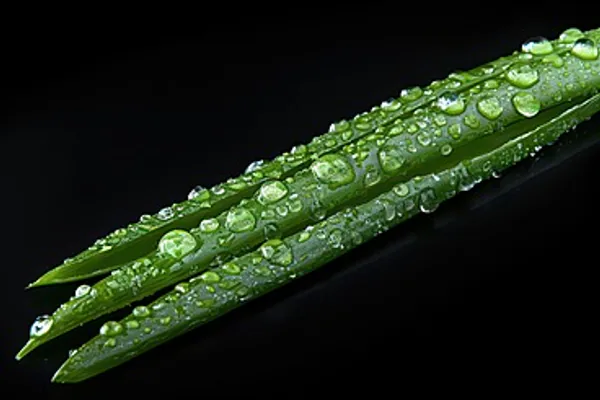
Aloe vera has a long folk reputation for soothing skin, and there is genuine scientific interest in its topical effects. However, public health resources are careful about how strongly those benefits should be stated. The U.S. National Center for Complementary and Integrative Health (NCCIH) notes that aloe gel applied to the skin is generally considered safe for short-term use for certain minor conditions, while emphasizing that evidence varies and that aloe is not a substitute for medical care.
For most home users, a cautious framing is the most honest one. Topical aloe gel from a fresh leaf or a reputable product can feel cooling and moisturizing on intact, healthy skin. It may help with the comfort of minor, superficial irritations such as small surface sunburn or mildly dry skin. It should not be applied to deep wounds, serious burns, infected skin, or as a treatment for medical conditions without professional advice.
Reasonable Everyday Topical Uses
- Light moisturizing of intact, healthy skin.
- Cooling comfort after sun exposure on small, mild areas.
- Soothing feel on minor, superficial skin dryness.
- A simple, single-ingredient option for people who prefer fewer additives.
Whenever a skin reaction, persistent irritation, or unusual symptom develops, the appropriate next step is to stop use and consult a clinician.
Topical Aloe vs. Oral Aloe Products
One of the most important distinctions in any aloe vera article is the difference between topical aloe gel and oral aloe products, including juices, latex, whole-leaf extracts, and dietary supplements. They are not interchangeable, and the safety profile is very different.
According to the NCCIH and the National Institute of Environmental Health Sciences, oral consumption of certain aloe preparations, especially products containing aloe latex or non-decolorized whole-leaf extract, has been linked to safety concerns in animal studies and can cause unwanted effects in people, such as digestive upset. The U.S. Food and Drug Administration also reminds consumers that dietary supplements, including those that contain aloe, are not approved by the FDA for safety or effectiveness before they are sold, so quality and content can vary between products.
Practical Takeaways
- Topical use: generally lower risk for short-term application to small areas of healthy skin.
- Oral use: higher risk, more variability in product quality, and potential for side effects or interactions.
- Pregnancy and breastfeeding: oral aloe products are generally not recommended without medical guidance.
- Medications: aloe taken orally may interact with certain medications; a clinician or pharmacist should be consulted.
- Children and pets: keep aloe products and plants out of reach where appropriate, and consult a veterinarian about pet safety.
Safe Ways to Use Aloe at Home
Used thoughtfully, an aloe vera plant can be a friendly part of a home wellness routine without overpromising. The key is to treat it as a supportive, low-stakes addition rather than a stand-in for proper care.
Simple Safety Practices
- Patch test first: apply a small amount of fresh gel or product to the inner forearm and wait 24 hours before broader use.
- Use clean tools: wash hands and any cutting tools before harvesting leaves to reduce contamination.
- Avoid sensitive areas: keep gel away from eyes and open wounds.
- Mind the latex layer: the yellow sap just under the leaf skin is more irritating than the inner clear gel and is best rinsed away.
- Skip oral self-treatment: do not consume homemade aloe preparations or supplements without medical guidance.
- Store carefully: fresh gel should be refrigerated and used promptly, and commercial products should be used within their labeled timeframe.
When to Seek Professional Advice
Speak with a qualified clinician before using aloe for any health-related purpose if you are pregnant, breastfeeding, managing a chronic condition, taking prescription medications, or considering oral aloe products. Persistent skin irritation, an allergic reaction, or any unusual symptom is a clear signal to stop use and seek professional input.
Quick Aloe Vera Care and Benefit Checklist
This short recap is intended for quick reference, not as personalized advice. Use it as a starting point and adjust based on your specific home conditions.
- Light: bright, indirect light with some direct sun; introduce strong sun gradually.
- Soil: fast-draining cactus or succulent mix in a pot with a drainage hole.
- Water: deeply, then only again when the soil is fully dry.
- Feed: diluted succulent fertilizer occasionally during the growing season; none in winter.
- Repot: every two to three years or when crowded, into a slightly larger pot.
- Propagate: by separating well-rooted pups from the parent.
- Meaning: healing, resilience, protection, renewal, and quiet wellness.
- Topical use: short-term, on healthy skin, after patch testing.
- Oral use: approach with caution and discuss with a clinician.
Final Thoughts on Living With Aloe Vera
Aloe vera earns its long-running popularity because it offers something rare: a plant that looks distinctive, asks for very little, and connects naturally to a story of care and resilience. As a houseplant, it rewards bright light, dry-between-waterings discipline, and roomy drainage. As a symbol, it speaks softly about healing and renewal in a way that fits many homes and life stages.
The most useful way to enjoy aloe is to keep expectations grounded. Treat the plant as a calm, decorative companion that can also support small, sensible topical uses, while leaving medical decisions to qualified professionals. With that balance, an aloe vera plant can serve a household well for years, propagate generously, and remind everyone who lives with it that thoughtful, simple care often goes further than complicated routines.
Official references
- NCCIH – Aloe Vera: Usefulness and Safety – Best anchor for evidence-based aloe health benefit claims, topical/oral use distinctions, side effects, pregnancy cautions, and drug interaction warnings.
- National Institute of Environmental Health Sciences – Aloe Vera – Primary toxicology context for aloe vera, including whole-leaf extract safety concerns and National Toxicology Program findings.
- FDA – FDA 101: Dietary Supplements – Useful for explaining that aloe supplements are regulated differently from drugs and are not FDA-approved for safety or effectiveness before sale.
- NC State Extension Gardener Plant Toolbox – Aloe Vera – University extension reference for practical aloe vera plant care: light, soil, watering, propagation, pests, and root rot prevention.
- Missouri Botanical Garden Plant Finder – Aloe vera – Authoritative horticultural profile covering indoor cultivation, watering, temperature tolerance, propagation, and common plant problems.
