
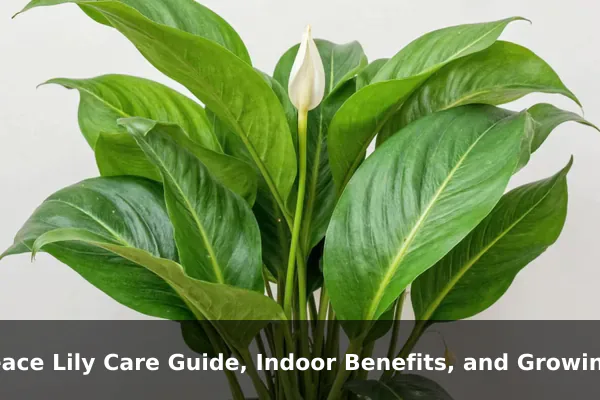
The peace lily (Spathiphyllum) is one of the most popular indoor plants in the world, and it is easy to see why. Its glossy dark-green leaves and elegant white blooms bring a calm, refined look to any room, while its forgiving nature makes it one of the best choices for beginners and busy plant owners. Whether you are decorating a small apartment, brightening a home office, or searching for a meaningful gift, this plant delivers on every level.
This guide walks you through everything you need to keep a peace lily healthy indoors — the right light, watering rhythm, soil, and troubleshooting — alongside its indoor benefits and the symbolic meaning that makes it such a beloved plant gift.
Why Peace Lilies Are a Favorite Indoor Plant
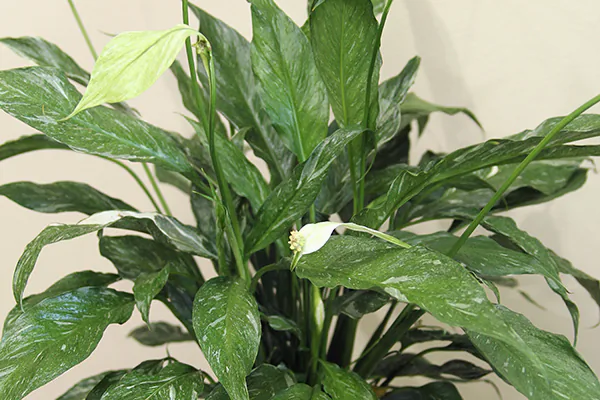
Peace lilies belong to the genus Spathiphyllum and are native to tropical regions of the Americas and Southeast Asia. Indoors, they typically grow between one and four feet tall, making them a practical fit for shelves, side tables, and floor corners alike. The white blooms are actually modified leaves called spathes, which surround a central spike and appear mainly in spring and sometimes again in autumn.
What truly sets the peace lily apart is its ability to thrive in low-light conditions where most flowering plants would struggle. It also communicates its needs visibly — drooping leaves signal thirst, while upright foliage signals contentment — which makes it an excellent plant for growers still building their intuition.
Best Light and Placement for Healthy Leaves and Blooms
Ideal Light Conditions
Peace lilies thrive in bright, indirect light. A spot near an east- or north-facing window provides gentle morning light without the harsh afternoon sun that can scorch the leaves. They can tolerate low light, but in those conditions they will produce fewer blooms and grow more slowly.
Signs of Light Imbalance
- Too much direct sun: Leaves turn yellow or develop brown, scorched patches.
- Too little light: The plant grows slowly, leaves look pale, and blooms become rare or absent.
- Best placement: Five to eight feet from a bright window, or directly beside a north-facing window.
Avoid placing peace lilies near air conditioning vents, drafty windows, or heating units. They prefer consistent indoor temperatures between 65°F and 80°F (18°C to 27°C). Cold drafts and sudden temperature changes cause leaf browning and wilting.
How Often to Water a Peace Lily
Watering Rhythm
Overwatering is the most common mistake with peace lilies. These plants prefer to dry out slightly between waterings. During the growing season — spring through summer — watering about once a week is usually sufficient. In winter, reduce this to every ten to fourteen days as the plant’s growth slows.
Always check the top inch of soil before watering. If it feels dry, water thoroughly until it drains freely from the bottom of the pot. If it still feels moist, wait a few more days. Never let the pot sit in standing water, as this leads to root rot.
Humidity and Water Quality
Peace lilies come from humid tropical environments and appreciate some indoor humidity. In dry climates, misting the leaves occasionally or placing the pot on a tray filled with pebbles and water can help. If your tap water is heavily chlorinated, letting it sit overnight or switching to filtered water can reduce the fluoride sensitivity that causes brown leaf tips over time.
Soil, Potting, and Feeding Basics
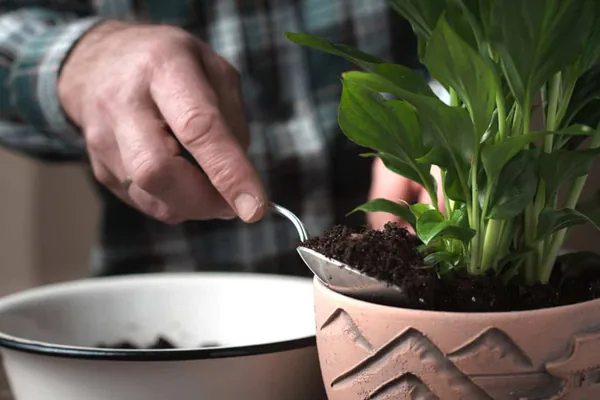
Best Soil Mix
Peace lilies do best in a well-draining potting mix that retains some moisture without becoming waterlogged. A high-quality general-purpose indoor potting mix works well. Adding a small amount of perlite or orchid bark improves drainage and aeration.
Pot Selection and Repotting
Always choose a pot with drainage holes to prevent water from sitting at the roots. Peace lilies are comfortable being slightly root-bound, so there is no need to repot frequently. When roots begin growing out of the drainage holes or the soil dries out extremely fast after watering, it is time to move the plant up one pot size. Spring is the ideal time to repot.
Fertilizing
Peace lilies are light feeders. Apply a balanced liquid houseplant fertilizer at half strength once a month during spring and summer. Stop fertilizing in fall and winter. Over-fertilizing causes salt buildup in the soil, which leads to brown leaf tips and reduced plant health.
Indoor Benefits of Keeping a Peace Lily
Beyond their beauty, peace lilies offer several practical benefits as indoor plants. They are one of the few flowering houseplants that bloom reliably without direct sun, making them accessible for apartments and offices with limited natural light.
- Aesthetic appeal: The plant’s white blooms and lush foliage complement minimalist, tropical, and classic interior styles equally well.
- Calming presence: Living plants in interior spaces are consistently linked to reduced stress and improved mood, and the peace lily’s clean, soft appearance contributes meaningfully to that effect.
- Space-friendly: The upright, compact growth habit suits small spaces including bathrooms, bedroom corners, and office desks.
- Beginner-friendly: The plant signals its own needs through leaf movement, making it ideal for new gardeners who are still learning to read plant behavior.
It is worth noting that while peace lilies have been highlighted in studies on indoor plants and air quality, real-home conditions differ from controlled environments. The genuine, everyday value of the peace lily lies in its visual beauty, adaptability, and ease of care — qualities that reliably improve the spaces people live and work in.
Peace Lily Meaning and Symbolism
The peace lily carries rich symbolic meaning that makes it one of the most thoughtful plant gifts you can give. Its associations span cultures and occasions:
- Peace and tranquility: The white spathe evokes serenity and calm, making the plant a meaningful addition to meditation corners or restful living spaces.
- Purity and new beginnings: White blooms across many traditions represent cleansing, fresh starts, and sincere intention.
- Sympathy and comfort: Peace lilies are a widely recognized gift for funerals and memorial services, expressing condolences and the hope that peace will follow grief.
- Prosperity and well-being: In some traditions, gifting a peace lily conveys genuine wishes for the recipient’s flourishing and happiness.
This depth of meaning makes the peace lily suitable for housewarmings, hospital recoveries, bereavements, and celebrations alike. It speaks clearly without needing words, which adds real emotional value to an already beautiful plant.
Common Peace Lily Problems and Simple Fixes
Yellow Leaves
Yellow leaves usually point to overwatering or direct sun exposure. Allow the soil to dry out slightly between waterings and move the plant away from harsh light.
Brown Leaf Tips
Brown tips typically indicate low humidity, fluoride in tap water, or salt buildup from over-fertilizing. Use filtered water, mist the plant occasionally, and flush the soil with clean water every few months to clear mineral deposits.
Wilting Despite Wet Soil
If the plant wilts even though the soil is moist, root rot is likely. Remove the plant from its pot, trim any black or mushy roots, and repot in fresh, well-draining soil. Reduce watering going forward.
No Flowers
Move the plant to a brighter — but still indirect — location and apply a diluted balanced fertilizer in spring. Peace lilies bloom most freely with consistent light and minimal stress.
Pests
Spider mites, mealybugs, and scale insects occasionally appear on peace lilies. Wipe leaves with a damp cloth or apply a diluted neem oil spray to treat infestations. Isolate affected plants immediately to prevent spread.
Growing Tips for Long-Term Success
Keeping a peace lily healthy long-term comes down to consistency. Follow this checklist to build reliable habits:
- Water when the top inch of soil feels dry — not on a fixed daily schedule.
- Place the plant in bright, indirect light and avoid direct afternoon sun.
- Keep indoor temperatures between 65°F and 80°F and protect the plant from cold drafts.
- Fertilize lightly once a month during spring and summer only.
- Wipe the leaves monthly with a damp cloth to remove dust and help the plant absorb light.
- Repot in spring when the plant becomes root-bound, moving up just one pot size at a time.
- Check the undersides of leaves regularly for early signs of pest activity.
- Reduce watering frequency in fall and winter to match the plant’s slower growth cycle.
The peace lily is far more than a decorative accent. It is a plant that adapts gracefully to indoor life, signals its own needs, carries meaningful symbolism, and brings quiet elegance to any space. With consistent care and the right conditions, a peace lily can thrive for many years — rewarding every small act of attention with beautiful blooms and healthy, vibrant foliage season after season.
