
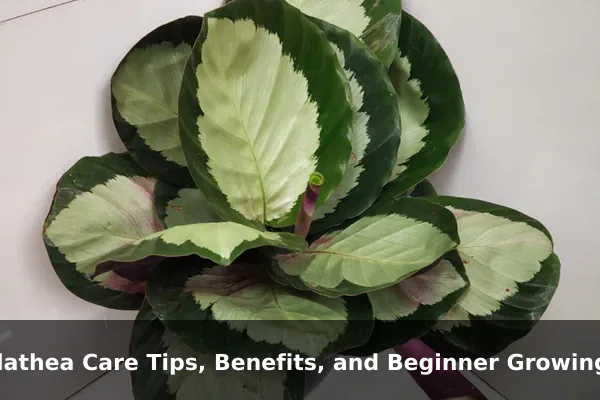
Few houseplants command attention quite like calathea. With its richly patterned leaves, bold stripes, and deep purplish undersides, calathea turns any indoor corner into a miniature tropical retreat. It is no surprise that plant lovers consistently rank it among the most visually striking houseplants available today.
That said, calathea has earned a reputation for being a little demanding. It has opinions about water quality, dislikes drafts, and wilts under direct sunlight. For beginners, this can sound intimidating — but the truth is that once you understand what calathea actually needs, keeping it healthy becomes a straightforward and rewarding routine.
This guide covers everything a first-time grower needs to know: the plant’s unique traits, its benefits for indoor spaces, its symbolic meaning, and a practical care routine that addresses light, water, soil, humidity, common problems, and more. Whether you are just getting started or troubleshooting a struggling plant, you will find clear answers here.
What Makes Calathea Unique as a Houseplant
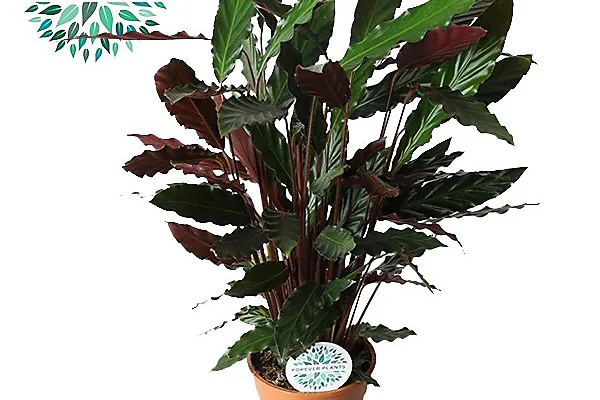
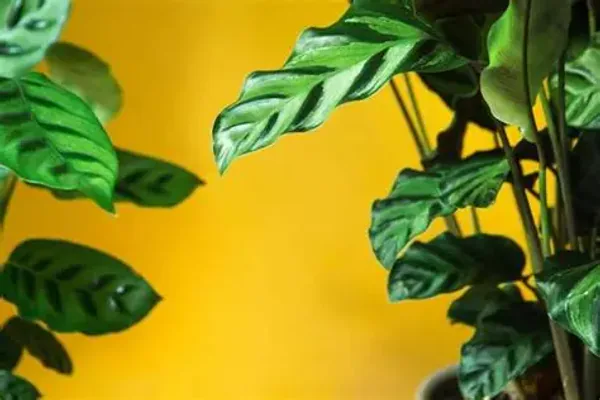
Calathea belongs to the Marantaceae family, a group of tropical plants native to Central and South America. What sets calathea apart from most houseplants is its dramatic foliage. Each leaf carries elaborate patterns — zebra-like stripes, feather-shaped markings, or geometric spots — that look almost hand-painted on a living surface.
One of calathea’s most fascinating quirks is its nyctinastic movement. The plant raises and lowers its leaves in response to light levels, a behavior sometimes called the prayer movement. In the evening, leaves fold upward as if in prayer, then flatten again in the morning. This is not a sign of stress — it is simply how calathea tracks its day-night cycle.
A Plant Built for Dim Tropical Understories
In its natural habitat, calathea grows beneath the dense canopy of tropical rainforests, where it receives filtered light, consistent warmth, and moisture-rich air. Understanding this origin helps explain why it thrives in the low-to-medium light of most homes but struggles near sunny south-facing windows that deliver direct rays for hours at a time.
Botanical Background
The genus Calathea includes dozens of species, though many have been reclassified under Goeppertia in recent botanical literature. In everyday plant care conversations and retail settings, most growers still use the familiar calathea name. The wide variety of leaf shapes and patterns means there is a calathea to suit almost every taste and interior style.
Calathea Benefits for Indoor Spaces
Calathea is more than just a pretty leaf. It brings real, practical benefits to the spaces where it lives, making it a worthwhile addition to homes, offices, and apartments of all sizes.
- Visual appeal: The patterned foliage creates an instant tropical mood without the need for multiple plants. A single mature calathea can serve as a living focal point in any room.
- Pet-friendly: Many common calathea varieties are non-toxic to cats and dogs, making them a safer choice for pet owners than several other popular houseplants.
- Mood enhancement: Research consistently shows that living with indoor greenery reduces stress and improves mood. Calathea’s lush, sculptural leaves offer a strong visual connection to nature, especially in urban apartments where outdoor green space is limited.
- Humidity contribution: Calathea transpires actively, releasing moisture into the surrounding air. In dry indoor environments, this contributes mildly to ambient humidity levels over time.
- Builds observational skills: Because calathea gives clear visual feedback — curling leaves, browning tips, drooping foliage — caring for it teaches beginners to read plant signals, a skill that improves your overall gardening routine.
Why Calathea Works Well in Low-Light Rooms
Unlike many decorative plants that demand bright sunny spots, calathea tolerates low-to-medium light well. This makes it suitable for bedrooms, bathrooms with a small window, and office spaces far from exterior walls. Just avoid deep shade with zero natural light, which will stunt growth and fade the distinctive leaf patterns over time.
Calathea Meaning and Symbolism
Plants carry cultural and symbolic associations that many growers find meaningful, and calathea is no exception. Its symbolism centers around a few recurring themes that align naturally with its growth habits and appearance.
Renewal and new beginnings are perhaps the most common associations. The daily rise and fall of calathea’s leaves mirrors themes of transition and fresh starts. Some cultures gift calathea when someone moves into a new home, starts a new job, or begins a meaningful new chapter in life.
Calm and balance are also frequently linked to calathea. The plant’s steady, predictable leaf movement and its preference for stable, peaceful environments mirror qualities associated with emotional equilibrium. Placing calathea in a living room or reading corner can reinforce a sense of quiet tranquility in the space.
Appreciation for detail is another symbolic theme. The intricate patterns on calathea leaves, invisible from a distance but stunning up close, serve as a natural reminder that beauty often lies in careful observation rather than grand gestures. This makes calathea a meaningful gift for someone who values mindfulness and intentional living.
Best Light, Temperature, and Humidity Conditions
Getting the environment right is the single most important step in calathea care. This plant has specific preferences, but they are not difficult to meet once you understand what conditions to aim for inside your home.
Light Requirements
Calathea needs bright indirect light. A position near an east-facing window or a few feet back from a bright south or west window works well. Direct sun scorches the leaves and bleaches out the patterns permanently. If your home is quite dark, a full-spectrum grow light placed one to two feet above the plant can compensate effectively and keep the colors vivid through winter months.
Temperature Range
Keep calathea in a room where temperatures stay between 65°F and 85°F (18°C–30°C). It is sensitive to cold drafts, so position it away from air conditioning vents, exterior doors in winter, and cold windowsills. Temperatures below 60°F (15°C) will slow growth noticeably and can cause lasting leaf damage, particularly to new growth.
Humidity Needs
This is where many beginners run into trouble. Calathea prefers humidity above 50%, ideally between 60–70%. Dry indoor air — especially during the winter heating season — causes the crispy brown edges that are calathea’s most common complaint. Practical ways to raise humidity include:
- Placing the pot on a pebble tray filled with water, ensuring the pot bottom sits above the waterline so roots do not sit in moisture.
- Grouping calathea with other tropical plants to create a more humid shared microclimate.
- Running a room humidifier near the plant during dry months.
- Misting the leaves lightly in the morning — note this is the least effective method and can encourage fungal spots if overdone or done in poor air circulation.
How to Water Calathea Without Causing Problems
Watering is where most calathea problems originate. The plant likes consistently moist but never waterlogged soil. Both extremes — too dry and too wet — produce visible distress that beginners often misdiagnose.
Watering Frequency
Check the soil every few days by pressing a finger about an inch into the surface. Water when the top inch feels dry but the soil below still retains some moisture. In summer, this might mean watering every five to seven days. In winter, the interval extends to ten to fourteen days as the plant’s growth slows and water needs decrease.
Water Quality Matters
Calathea is notably sensitive to fluoride and chlorine in standard tap water. Over time, these minerals accumulate in the soil and cause brown leaf tips even when every other aspect of care is correct. Better watering options include:
- Filtered water from a pitcher-style filter or an under-sink system.
- Collected rainwater stored in a clean outdoor container.
- Tap water left overnight in an open jug — this dissipates chlorine gas but does not remove fluoride, so filtered water remains the best long-term solution.
Recognizing Watering Problems
Underwatered calathea displays curling leaves, dry crumbly soil, and a slightly drooping posture. Overwatered calathea develops yellowing leaves, mushy stems near the base, and soggy soil that may have a stale or sour smell. If root rot is suspected, remove the plant from its pot, trim any black or soft roots cleanly with sterilized scissors, and repot into fresh, well-draining mix.
Soil, Pot Choice, and Feeding Routine
The right growing medium and container set the foundation for healthy calathea roots and lush foliage growth that lasts for years with minimal effort.
Recommended Soil Mix
Use a loose, well-draining mix that still retains a degree of moisture between waterings. A reliable starting recipe combines:
- 50% standard potting mix as the base.
- 25% perlite to improve drainage and aeration around the roots.
- 25% coco coir or peat moss to hold gentle moisture without compacting.
Avoid dense, heavy soils that stay saturated for too long. African violet mix sold at most garden centers is often a good ready-made option that suits calathea well without any modification.
Pot Selection
Always choose a pot with drainage holes — calathea sitting in standing water will develop root rot within days. Terra cotta pots dry out faster, which suits calathea in naturally humid rooms. Plastic or glazed ceramic pots hold moisture longer, which is useful in dry climates or heated apartments. Avoid oversizing the pot; calathea grows better in a snug fit, and excess soil around the roots stays wet unnecessarily and invites root disease.
Fertilizing Schedule
Feed calathea with a balanced liquid fertilizer (such as a 10-10-10 NPK formula) diluted to half the recommended strength, applied once a month during spring and summer. Skip feeding entirely in autumn and winter when the plant enters its resting period. Over-fertilizing causes salt buildup in the soil that burns roots and creates the same brown-tip appearance as fluoride damage, making the actual cause difficult to identify.
Common Calathea Problems and Easy Fixes
Even experienced growers encounter calathea problems regularly. The key is recognizing symptoms early and adjusting one variable at a time before the plant declines further.
- Brown leaf edges: Usually caused by low humidity or mineral buildup from tap water. Increase ambient humidity and switch to filtered water. Trim brown edges with clean scissors for a tidier look without removing the whole leaf.
- Curling leaves: Most commonly a sign of underwatering or very low humidity. Check soil moisture first and water if the top inch is dry. A humidifier or pebble tray helps if the air is the cause.
- Yellow leaves: Overwatering is the most likely cause. Reduce watering frequency and check that drainage is working properly. Isolated yellow leaves on an otherwise healthy plant can also simply indicate a leaf reaching the natural end of its lifespan.
- Fading leaf patterns: Caused by too much direct sunlight bleaching the pigment, or by insufficient light that cannot sustain vivid coloration. Move the plant to brighter indirect light with no direct sun exposure.
- Drooping or limp leaves: Can indicate underwatering, root rot, or cold damage from drafts. Assess soil moisture first, then check roots if watering seems adequate and the problem persists.
- Spider mites: Appear as fine webbing under leaves, most common in dry conditions. Treat with a neem oil spray or insecticidal soap applied to both sides of leaves, repeating weekly for three weeks.
- Fungus gnats: Indicate consistently wet soil near the surface. Allow the top layer to dry more between waterings and use yellow sticky traps near the pot to catch adult gnats during the treatment period.
Beginner Growing Guide and Simple Maintenance Routine
Consistency is the most important element of successful calathea care. Rather than occasional intensive attention, calathea rewards steady, gentle maintenance performed on a regular schedule. Here is a simple weekly routine that keeps calathea healthy without requiring much time:
- Check soil moisture — press a finger into the top inch and water if it feels dry but not yet bone dry.
- Inspect leaves — look for early signs of pests, discoloration, or physical damage before problems spread.
- Wipe dust from leaves — use a soft damp cloth to clean larger leaves so they absorb light as efficiently as possible.
- Check humidity levels — refill pebble trays or adjust humidifier output if the air feels noticeably dry in the room.
- Remove dead or damaged leaves — clip at the base with clean scissors to keep the plant tidy and direct its energy toward healthy new growth.
Repotting Guidance
Repot calathea every one to two years, or when roots begin emerging from drainage holes and circling the bottom of the pot. Spring is the ideal time to repot, coinciding with the start of active growth. Always move up only one pot size to avoid excess wet soil around the roots. Repotting is also the best opportunity to refresh the soil mix completely and inspect root health firsthand.
Pruning Basics
Calathea does not require any heavy pruning to stay healthy. Simply remove yellowed, brown, or dying leaves as they appear throughout the year. Never remove more than one-third of the plant’s total leaves at one time, as aggressive pruning causes significant stress and slows recovery considerably in a plant that already grows at a moderate pace.
Popular Calathea Varieties to Start With
With dozens of species and cultivars available at plant nurseries and online, choosing your first calathea can feel overwhelming. These five varieties are widely available, relatively forgiving, and visually striking enough to make an immediate impact in any room:
- Calathea Medallion: Large round leaves with a rosette pattern in layered shades of green and burgundy on the underside. Considered one of the most beginner-friendly calathea varieties due to its tolerance for slightly inconsistent care.
- Calathea Ornata (Pinstripe Calathea): Deep green leaves decorated with fine pink or white striping that runs parallel to the leaf veins. Compact in size and works beautifully on a desk, shelf, or side table.
- Calathea Lancifolia (Rattlesnake Plant): Long, narrow leaves with alternating oval spots along the midrib and gently wavy edges. Among the more drought-tolerant calathea varieties, making it slightly more forgiving for inconsistent waterers.
- Calathea Zebrina (Zebra Plant): Bold alternating light and dark green stripes that closely mimic zebra markings. Grows larger than most calatheas, making it well-suited as a floor plant in bright living spaces.
- Calathea Rufibarba (Furry Feather Calathea): Unique for its velvety, softly textured leaf surface and rich burgundy underside. Less demanding about humidity than many other varieties, making it a strong first-choice for beginners in dry climates.
Frequently Asked Questions About Calathea Care
Is calathea hard to care for?
Calathea is considered moderately challenging — not beginner-proof but absolutely not expert-only. The majority of problems stem from three issues: inconsistent watering, low humidity, and tap water mineral content. Addressing those three factors resolves most calathea struggles and makes ongoing care genuinely manageable.
How fast does calathea grow?
Calathea is a slow-to-moderate grower. Under good light and humidity conditions, expect a few new leaves per month during the active growing season from spring through early autumn. Growth slows significantly in winter as the plant conserves energy during lower light months.
Can calathea survive in low light?
Calathea tolerates low light better than many popular houseplants, but it does not truly thrive in very dim conditions. Extremely low light fades the leaf patterns and progressively slows new growth. Bright indirect light consistently produces the most vibrant foliage colors and the best overall plant health.
Why does my calathea close its leaves at night?
This prayer-like movement is completely normal and is called nyctinasty. It is a natural response to the drop in ambient light as evening arrives. Leaves folding upward at dusk and reopening in the morning is a reliable sign of a healthy, responsive plant — not a sign of stress or distress.
Is calathea safe for pets?
Most common calathea varieties are listed as non-toxic to cats and dogs by the ASPCA, which makes calathea a popular choice for pet owners who want lush tropical-looking plants without putting their animals at risk. Always confirm the specific variety with your veterinarian if you have concerns.
Calathea rewards patience and consistency above all else. Once you dial in the humidity, switch to filtered water, and establish a regular soil-check routine, the plant becomes a genuinely satisfying addition to any indoor space. Its patterned leaves, daily prayer movement, and pet-friendly nature make it one of the most complete houseplants a beginner can choose — visually striking, symbolically meaningful, and perfectly suited to life indoors.
