
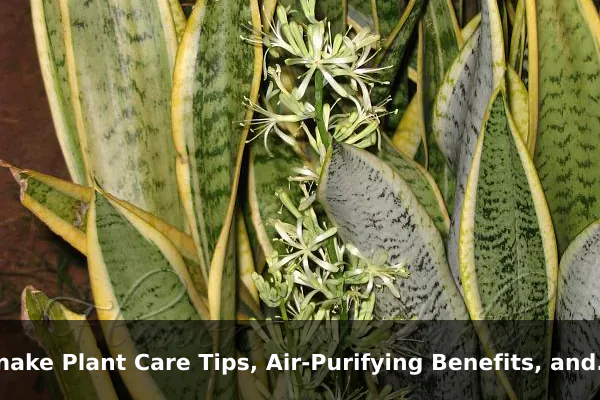
The snake plant has earned a near-permanent spot on lists of the best beginner-friendly houseplants, and for good reason. With its bold, upright leaves, striking variegation, and famously forgiving nature, it can survive in conditions that would defeat many other indoor plants. It is also one of the most talked-about plants when the topic turns to indoor air quality, thanks to its frequent appearance in older lab studies and countless social media posts.
This guide brings together practical snake plant care tips, an evidence-aware look at its air-purifying benefits, and the key facts every owner should know about safety, symbolism, and placement. The goal is to help you keep your plant healthy for years while setting realistic expectations about what it can and cannot do for the air in your home.
Whether you are buying your first snake plant or trying to revive one that looks tired, the sections below cover identification, watering, light, troubleshooting, pet safety, and the meanings people often associate with this resilient species.
What Is a Snake Plant?
The plant commonly called a snake plant is botanically known as Dracaena trifasciata (formerly classified as Sansevieria trifasciata). It is native to tropical West Africa and is widely grown indoors around the world. According to the NC State Extension Gardener Plant Toolbox, it is a stemless evergreen perennial with stiff, sword-shaped leaves that grow upright from a thick underground rhizome.
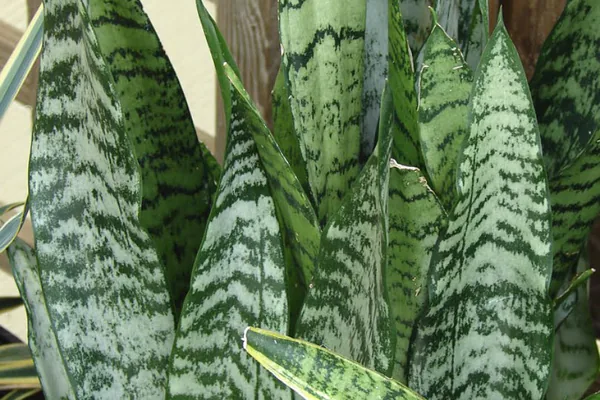
You may also hear it called mother-in-law’s tongue, viper’s bowstring hemp, or simply sansevieria. Different cultivars vary in leaf color, banding, and size, but most share the same easy-care personality.
Why It Is So Popular as a Houseplant
- Tolerance for neglect: It handles missed waterings, low light, and dry indoor air better than most houseplants.
- Architectural shape: The vertical leaves work well in modern, minimalist, and small-space interiors.
- Slow, steady growth: You do not need to repot it often, which suits busy households.
- Wide cultivar choice: From compact rosette types to tall, golden-edged varieties, there is a look for almost every room.
Snake Plant Care Tips for Healthy Growth
Although snake plants are forgiving, they still thrive best when you respect a few basic preferences. Most problems trace back to too much water or poor drainage, not to under-care. The following tips will help your plant stay firm, upright, and steadily growing.
Light Requirements
Snake plants do best in bright, indirect light, but they are remarkably adaptable. They will tolerate low-light corners and survive several feet from a window, although growth slows and variegation may fade. A spot near an east- or north-facing window is usually ideal, while harsh midday sun through a south-facing window can scorch the leaves if the plant has not been gradually acclimated.
Watering Without Drowning
This is where most snake plants get into trouble. They store water in their thick leaves and rhizomes, so they prefer to dry out between waterings. A simple routine:
- Push a finger about 2 inches into the soil. If it feels moist, wait.
- When the top one-third to one-half of the soil is dry, water thoroughly until liquid drains from the bottom.
- Empty any saucer so the roots are not sitting in standing water.
- Water less in winter, when growth slows and evaporation drops.
In most homes, watering every 2 to 4 weeks works well, but always check the soil rather than relying on a strict calendar.
Soil, Pots, and Drainage
Use a well-draining mix such as a cactus or succulent blend, or amend regular potting soil with extra perlite or coarse sand. Choose a pot with drainage holes. Terracotta pots are a popular choice because they wick moisture from the soil and reduce the risk of root rot. Repotting is only needed every 2 to 4 years, or when roots crowd the surface or push up the soil.
Temperature, Humidity, and Feeding
- Temperature: 60 to 85°F (16 to 29°C). Protect from cold drafts and avoid temperatures below 50°F (10°C).
- Humidity: Average indoor humidity is fine. No misting required.
- Fertilizer: A balanced houseplant fertilizer at half strength once or twice during spring and summer is enough. Skip feeding in winter.
Repotting and Propagation
Snake plants actually enjoy being slightly root-bound. When you do repot, move up only one pot size. Propagation is straightforward: divide the rhizome at repotting time, or cut a healthy leaf into sections and root them in soil or water. Note that variegated cultivars often lose their leaf markings when grown from leaf cuttings, so division is the better option for preserving variegation.
Common Snake Plant Problems and Fixes
Most snake plant issues are easy to diagnose if you know what to look for.
Yellow or Mushy Leaves
Soft, yellow, or translucent leaves at the base almost always point to overwatering or poor drainage. Unpot the plant, trim any black or mushy roots and rhizomes with clean scissors, let cut surfaces dry for a day, and repot in fresh, gritty soil. Reduce watering going forward.
Brown Leaf Tips
Brown, crispy tips can stem from underwatering, fluoride or chloramine in tap water, or fertilizer buildup. Try filtered or rainwater, flush the soil occasionally, and ease back on feeding.
Curling or Wrinkled Leaves
Curling leaves often indicate prolonged drought or root damage. Check the roots, water thoroughly if the soil is bone dry, and confirm the rhizome is still firm.
Pests
Snake plants are not pest magnets, but mealybugs and spider mites occasionally appear. Wipe leaves with a damp cloth, treat with insecticidal soap, and isolate the plant until the problem clears.
Air-Purifying Benefits: What the Evidence Actually Says
The snake plant’s reputation as an air purifier traces back to the well-known NASA Clean Air Study from 1989, which tested several common houseplants in sealed chambers for their ability to remove volatile organic compounds (VOCs) such as formaldehyde, benzene, and trichloroethylene. The full NASA Technical Report shows that snake plants did remove measurable amounts of certain VOCs under those specific laboratory conditions.
Why You Should Read the Headlines Carefully
More recent peer-reviewed analysis published in the Journal of Exposure Science & Environmental Epidemiology reviewed decades of plant air-cleaning studies and concluded that, at realistic densities, potted plants do not meaningfully clean the air in typical homes and offices. The air exchange from normal ventilation generally outpaces what plants can remove. The U.S. Environmental Protection Agency similarly emphasizes that the most effective strategies for indoor air quality are source control, adequate ventilation, and where appropriate, air filtration.
A Balanced Way to Frame the Benefit
- It is fair to say snake plants are attractive, low-maintenance, and may offer modest, hard-to-measure contributions in sealed lab settings.
- It is not accurate to claim that a few snake plants will detoxify a room or replace ventilation and filtration.
- Use snake plants for greenery, ambiance, and well-being, while relying on ventilation, source control, and HEPA filters for measurable air-quality improvements.

Snake Plant Meaning and Symbolism
Beyond care and air quality, many people choose snake plants for their cultural and decorative symbolism. These associations vary by region and tradition, so treat them as general meanings rather than universal rules.
Common Associations
- Resilience and protection: The sturdy, upward-pointing leaves are often linked with strength, defense, and warding off negative energy.
- Good fortune and prosperity: In some feng shui traditions, snake plants are placed in entryways or offices to invite steady, grounding energy.
- Clean, focused atmosphere: Because the plant is associated with air quality in popular culture, it is often used in spaces meant for rest, study, or meditation.
- Quiet companionship: Its low-maintenance nature makes it a meaningful gift for new homeowners, students, or busy professionals who want greenery without pressure.
These meanings are cultural and decorative, and they should not be confused with measurable health or safety claims.
Pet and Human Safety Facts
One of the most important facts about snake plants is that they are toxic to cats and dogs. According to ASPCA Animal Poison Control, Dracaena trifasciata contains saponins that can cause:
- Nausea and vomiting
- Diarrhea
- Drooling and loss of appetite in pets
For people, the NC State Extension notes that the plant has low to moderate toxicity if ingested, and the sap can cause mild skin irritation in sensitive individuals. Children should be discouraged from chewing the leaves.
Practical Safety Tips
- Place the plant on a high shelf, plant stand, or in a room pets cannot access.
- Wash your hands after pruning or repotting if you have sensitive skin.
- If a pet chews the leaves and shows symptoms, contact your veterinarian or a local animal poison control service promptly.
- If a child ingests plant material, call your local poison control center for guidance.
These tips are general. For specific medical questions, always rely on a qualified veterinarian or healthcare provider.
Best Places to Put a Snake Plant Indoors
Because snake plants tolerate a wide range of conditions, you have flexibility in where you place them. The best location depends on light, household traffic, and whether pets or small children can reach them.
Ideal Rooms
- Living rooms: Tall cultivars look striking next to sofas or media units and tolerate normal indirect light.
- Bedrooms: A popular choice for those who like the look of greenery at rest; placement matters more than any air-purifying claim.
- Bathrooms with a window: Higher humidity is tolerated well, as long as light is sufficient.
- Home offices: The upright form fits desks and shelves, and the plant rarely demands attention during work hours.
- Entryways and hallways: Useful for adding vertical greenery to narrow spaces, provided some ambient light reaches the plant.
Places to Avoid
- Directly above radiators, heaters, or air-conditioning vents.
- Cold, drafty corners near exterior doors in winter.
- Floor-level spots in homes with curious cats, dogs, or toddlers.
Remember that the EPA’s guidance on indoor air quality emphasizes ventilation and filtration. Snake plants add greenery and visual calm, but they should complement, not replace, those proven controls.
Quick Key Facts About Snake Plants
If you only have time to scan one section, here are the essentials in a compact format.
- Botanical name: Dracaena trifasciata (formerly Sansevieria trifasciata).
- Common names: Snake plant, mother-in-law’s tongue, viper’s bowstring hemp.
- Care level: Very easy; ideal for beginners.
- Light: Bright indirect light preferred; tolerates low light.
- Watering: Allow the top half of the soil to dry; typically every 2 to 4 weeks indoors.
- Soil: Well-draining cactus or succulent mix.
- Mature size: Most cultivars reach 1 to 4 feet (30 to 120 cm) indoors, with some growing taller.
- Temperature: 60 to 85°F (16 to 29°C); avoid frost.
- Toxicity: Toxic to cats and dogs (ASPCA); mild to moderate toxicity in humans (NC State Extension).
- Propagation: Division of rhizomes, leaf cuttings in soil or water.
- Air-purifying claims: Modest lab-scale effect on certain VOCs; not a substitute for ventilation or filtration.
Final Care Takeaway
The snake plant rewards a light touch. Give it bright, indirect light, water only when the soil has dried down significantly, plant it in a well-draining mix in a pot with drainage holes, and resist the urge to fuss over it. Repot rarely, fertilize sparingly, and watch for the telltale signs of overwatering before they become root rot.
Enjoy the plant for its sculptural beauty, its cultural symbolism of resilience and protection, and its easygoing presence in your home. Appreciate the science behind its air-purifying reputation, but lean on ventilation, source control, and proper filtration for measurable indoor air quality. And if you share your space with pets or young children, place your snake plant somewhere they cannot easily reach.
With these snake plant care tips, evidence-aware air-quality expectations, and key safety facts in mind, you have what you need to keep this iconic houseplant healthy and looking its best for many years.
Official references
- NASA Technical Reports Server: Interior Landscape Plants for Indoor Air Pollution Abatement – Primary NASA report often cited for snake plant air-purification claims; useful for verifying exactly what was tested and avoiding overstated claims.
- U.S. Environmental Protection Agency: Improving Indoor Air Quality – Official indoor air quality guidance for framing plant air-purification claims against proven controls such as ventilation and source control.
- Journal of Exposure Science & Environmental Epidemiology: Potted plants do not improve indoor air quality – Peer-reviewed analysis that contextualizes lab-based VOC removal studies and helps avoid misleading claims about real-world room air purification.
- ASPCA Animal Poison Control: Snake Plant – Authoritative pet-safety reference for snake plant toxicity to cats and dogs, including scientific name and expected clinical signs.
- NC State Extension Gardener Plant Toolbox: Dracaena trifasciata – University extension profile covering snake plant identification, care conditions, and human toxicity notes.
