
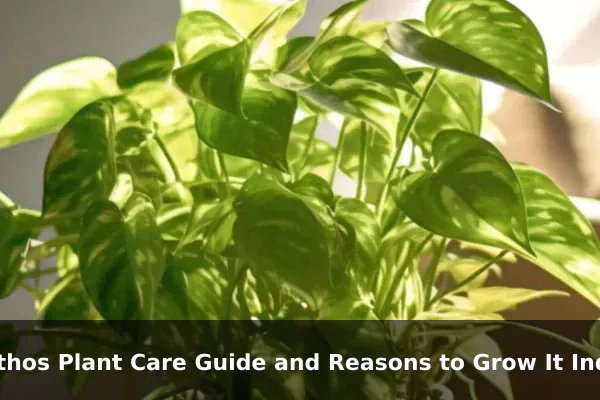
Pothos (Epipremnum aureum) is one of the most beloved houseplants in the world, and for very good reason. Whether you are setting up your first apartment, refreshing a home office, or simply looking for a green companion that is hard to kill, pothos delivers a perfect blend of beauty and resilience. Its long trailing vines and glossy heart-shaped leaves bring natural warmth to any indoor space, making it a consistent favorite among beginners and experienced plant keepers alike.
This guide walks you through everything you need to know about growing pothos indoors. From understanding its everyday benefits and cultural meaning to mastering light, watering, propagation, and common problem fixes, you will leave with a clear picture of how to keep this plant thriving and why it is worth adding to your home.
Why Pothos Is One of the Best Indoor Plants
Pothos belongs to the Araceae family and originates from the Solomon Islands in the South Pacific. In the wild it climbs trees and spreads across the forest floor. Indoors, it behaves more like a forgiving companion than a demanding plant. It adapts to a wide range of light levels, bounces back quickly from missed waterings, and grows at a pace that feels rewarding without being overwhelming.
Popular Varieties to Know
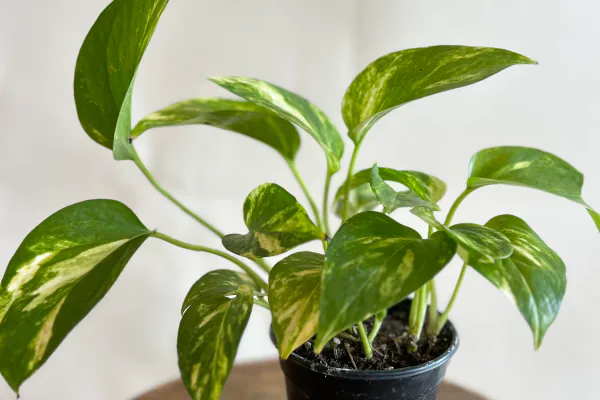
- Golden Pothos – Classic green leaves with golden-yellow streaks; the most common variety
- Marble Queen – Creamy white variegation with green; needs slightly more light
- Neon Pothos – Bright chartreuse leaves; works as a bold color accent
- Satin Pothos – Silvery spots on deep green; slightly slower grower
- Manjula Pothos – Wide, curled leaves with mixed white, green, and cream
Each variety shares the same care needs, so mastering one means you can grow them all.
Indoor Benefits of Growing Pothos
Beyond its attractive appearance, pothos offers several practical advantages that make it genuinely useful in an indoor environment. These are reasons people return to it again and again regardless of how many other plants they own.
Extremely Low Maintenance
Pothos tolerates irregular watering, adapts to different light conditions, and does not demand frequent repotting or feeding. For busy households, travelers, or anyone new to plant care, this reliability removes the anxiety that can come with more sensitive species.
Decorative Versatility
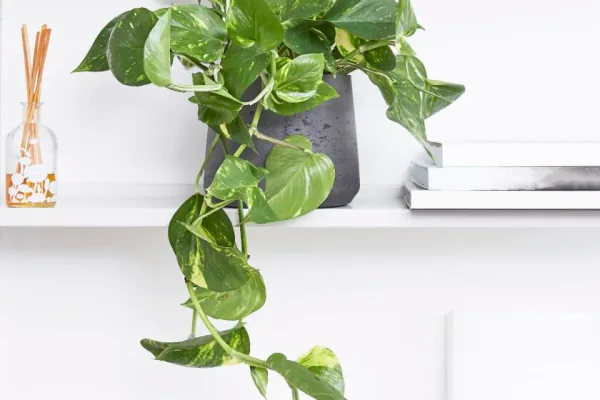
Few plants work as well in as many settings. Pothos trails elegantly from shelves, fills hanging baskets, sits neatly on a desk, and softens the edges of a bookcase. Its range of leaf patterns means there is a variety to complement almost any interior style, from minimalist to boho to modern.
Calming Effect of Indoor Greenery
Studies have consistently linked indoor plants with reduced stress, improved mood, and better focus. Pothos, with its lush and fast-growing vines, delivers this calming visual effect without requiring the careful attention that more demanding plants need. Simply having it in a room contributes to a more comfortable, lived-in atmosphere.
What Pothos Symbolizes in the Home
In many cultural traditions and home design philosophies, pothos carries meaning beyond its physical appearance. Its ability to grow persistently in low-light, neglected corners has made it a natural symbol of resilience, abundance, and quiet growth. In feng shui-influenced spaces, trailing green plants like pothos are often placed in living areas or workspaces to represent flowing positive energy and steady progress.
These meanings are informal and culturally varied, but they add a layer of intention to the choice to grow pothos. For many people it serves as a daily, living reminder that growth is possible even in imperfect conditions. That kind of symbolism, rooted in the plant’s actual behavior rather than mythology, makes pothos particularly meaningful as a gift or a personal choice for the home.
How to Care for a Pothos Plant Indoors
Pothos care is genuinely simple, but a few consistent practices make a noticeable difference in how full and healthy the plant looks over time.
Light
Pothos tolerates low light but grows best in bright, indirect light. A spot near a window with filtered light is ideal. Avoid direct afternoon sun, which can bleach or scorch the leaves. Variegated varieties like Marble Queen need more light to keep their patterning vibrant; in low light they tend to revert to plain green.
Watering
Water when the top inch of soil feels dry to the touch. Overwatering is the single most common mistake with pothos. Always allow the pot to drain fully and never let roots sit in standing water in a saucer. In winter, reduce watering frequency as growth slows.
Soil and Pot Choice
A standard, well-draining indoor potting mix works well. Add a small amount of perlite if your mix tends to hold too much moisture. Always use a pot with drainage holes. Terracotta pots dry out faster than plastic and can help prevent overwatering in humid climates.
Temperature and Humidity
Pothos thrives between 60°F and 85°F (15°C to 30°C). It handles average indoor humidity comfortably and does not need misting, though a light misting or a nearby humidifier can boost growth in very dry environments. Keep it away from cold drafts and heating vents.
Feeding
Apply a balanced liquid fertilizer once a month during spring and summer. Skip feeding in fall and winter. Pothos is not a heavy feeder, and over-fertilizing can cause salt buildup in the soil, leading to brown leaf tips.
How to Prune and Propagate Pothos
Pruning for a Fuller Plant
Long, bare vines are a sign that your pothos needs a trim. Cut stems back to just above a leaf node to encourage branching and bushier growth. Regular pruning every few months keeps the plant looking full rather than sparse and leggy.
Simple Propagation from Cuttings
One of the best things about pothos is how easily it propagates. A single healthy stem can produce an entirely new plant within weeks. Here is how:
- Choose a healthy stem with at least two or three leaves
- Cut just below a leaf node using clean scissors
- Remove the bottom leaf so the node is exposed
- Place the cutting in a jar of clean water near indirect light
- Change the water every two to three days
- Once roots reach one to two inches, transplant to potting mix
You can also skip water propagation and plant the cutting directly into moist soil. Both methods work reliably for pothos.
Common Pothos Problems and Quick Fixes
Yellow Leaves
The most frequent cause is overwatering. Let the soil dry out more between waterings and check that the pot is draining properly. Nutrient deficiency or very low light can also cause yellowing.
Brown Leaf Tips
Usually caused by low humidity, inconsistent watering, or fluoride in tap water. Switch to filtered or room-temperature water and mist the leaves lightly if the indoor air is very dry.
Leggy, Sparse Growth
Long gaps between leaves indicate insufficient light. Move the plant closer to a window and trim back the longest vines to encourage branching.
Root Rot
If roots are soft, dark, or smell musty, root rot has set in from prolonged overwatering. Remove the plant from its pot, trim away affected roots, allow it to air out briefly, and replant in fresh, dry soil.
Pests
Pothos occasionally attracts mealybugs or spider mites. Wipe leaves with a damp cloth to remove insects manually. For persistent infestations, apply a diluted neem oil solution to the leaves and soil surface.
Best Places to Display Pothos Indoors
Pothos adapts well to most indoor spots, but some locations allow it to truly shine.
- Hanging baskets – Vines cascade freely for a full, dramatic look
- High shelves and bookcases – Trails naturally over the edge, adding softness to angular furniture
- Desk or windowsill – Compact and easy to manage; adds life to a work area
- Bathroom – Tolerates humidity and lower light better than most plants
- Kitchen counter or cabinet top – Brings greenery into a functional, often overlooked space
- Bedroom – The calming visual presence of trailing vines suits a restful environment
Is Pothos Right for Your Home?
For most households, pothos is an easy yes. It grows reliably, looks attractive throughout the year, requires minimal attention, and rewards even inconsistent care with continued growth. Whether you are a complete beginner or simply want a dependable plant that does not need constant management, pothos fits the role well.
One important safety note: pothos is toxic to cats, dogs, and young children if ingested. The plant contains calcium oxalate crystals that can cause mouth irritation, drooling, and stomach upset. Keep it on high shelves or in rooms that pets and small children cannot access, or choose a pet-safe alternative if this is a real concern in your household.
For everyone else, pothos is one of the most satisfying plants you can bring indoors. Start with one healthy cutting or pot, learn its rhythm, and you will likely find yourself propagating it into every corner of your home before long.
