
Plants are woven into daily life in ways that go far beyond decoration. People grow them for food, brew them into teas, gift them for emotional meaning, place them in homes for calm, and turn to botanical supplements hoping for a wellness boost. Yet the phrase plant benefit and meaning can be misleading when used too broadly, because each plant carries its own uses, cultural symbolism, and very real safety considerations.
This guide takes a practical, safety-aware look at how to understand and enjoy plants without falling into common traps. Natural does not automatically mean safe, especially when supplements, children, pets, pregnancy, or prescribed medications are involved. To keep the information cautious and trustworthy, this article references guidance from NIH NCCIH, the NIH Office of Dietary Supplements, the FDA, Poison Control, and the ASPCA, while separating uses, meanings, risks, and frequent mistakes.
What Plant Benefits and Meanings Really Include
When people talk about plant benefits, they often blend several different categories into one idea. Understanding these layers helps avoid overclaims and keeps expectations realistic.
Practical and Everyday Benefits
Many plants offer concrete, low-risk advantages: fresh herbs for cooking, fiber and produce from gardens, shade from trees, fragrance in the home, and greenery that can make a room feel more pleasant. These are practical benefits that do not require any medical claim to be valuable.
Emotional and Cultural Meanings
Symbolic meanings, such as growth, peace, love, remembrance, luck, or protection, depend on culture, history, and personal context. A plant that signals friendship in one tradition may symbolize mourning in another. Treat these meanings as personal or cultural context rather than universal truths.
Health-Supporting Uses
Some plants have been studied for nutritional or therapeutic potential. According to NIH NCCIH, evidence for many herbal products is still limited or mixed, and effects can vary by preparation, dose, and individual. It is more accurate to say a plant may support wellness in certain contexts than to declare it cures or treats specific conditions.
Common Uses of Plants in Daily Life
Plants appear in routines so often that we rarely stop to categorize them. Sorting common uses helps clarify which involve minimal risk and which deserve more caution.
Food, Herbs, and Beverages
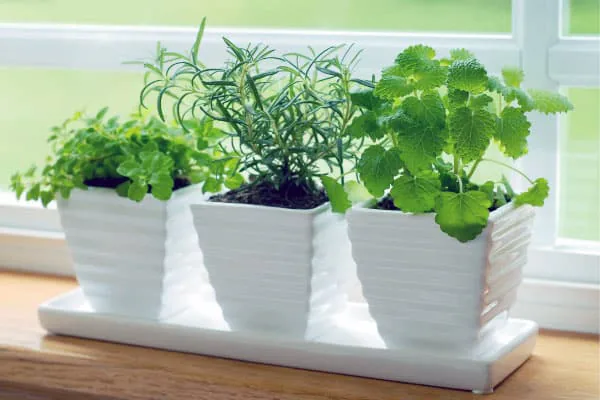
- Culinary herbs: basil, rosemary, mint, and parsley used in normal cooking amounts.
- Vegetables and fruits grown in home gardens or bought fresh.
- Mild herbal teas such as chamomile or peppermint, typically consumed in food-like quantities.
Indoor Decor and Atmosphere
Houseplants like pothos, peace lily, or snake plant are popular for visual appeal and a sense of calm. While some claims about dramatic air purification are overstated outside of laboratory conditions, the decorative and psychological value of greenery is widely appreciated.
Aromatics, Rituals, and Gifts
Lavender sachets, eucalyptus in showers, and flowers given on special occasions reflect aromatic and symbolic use. These uses carry low risk for most adults, but allergies and skin sensitivities still apply.
Botanical Supplements and Extracts
Concentrated capsules, tinctures, and powders are a different category from food. The NIH Office of Dietary Supplements notes that botanical supplements can contain much higher concentrations of active compounds than the same plant in food, which raises both potential effects and potential risks. The FDA also clarifies that dietary supplements are not approved to diagnose, treat, cure, or prevent diseases.
Popular Plant Meanings and Symbolic Associations
Symbolism is one of the most attractive parts of plant culture, but it is also the easiest to misrepresent. Meanings shift across regions, eras, and personal stories.
Common Themes
- Growth and renewal often associated with sprouting greenery and spring blooms.
- Love and affection linked to roses, tulips, and certain flowering plants.
- Peace and calm associated with peace lily, lavender, or olive branches.
- Luck and prosperity tied to lucky bamboo, money plants, or marigolds in some cultures.
- Remembrance and protection connected to rosemary, sage, or evergreens.
Why Context Matters
The same plant can carry opposing meanings in different communities. Presenting symbolism as fact can mislead readers and erase cultural nuance. A safer approach is to share meanings as traditions, not as guarantees about how a plant will affect a relationship, mood, or outcome.
Health and Safety Risks to Know First
This is the most important section to read carefully. Many plant-related problems come from underestimating risk rather than from rare events.
Allergies and Skin Reactions
Pollen, sap, and essential oils can cause allergic reactions, rashes, or eye irritation. Even popular plants can trigger sensitivities in some people. If a new reaction appears, stop exposure and consult a healthcare professional.
Poisoning and Unsafe Ingestion
Poison Control notes that many ornamental plants can cause symptoms if chewed or swallowed, ranging from mouth irritation to more serious effects. Children may put leaves or berries in their mouths, so identification matters. If a poisoning is suspected in the U.S., contact Poison Control immediately rather than waiting to see what happens.
Pet Toxicity
The ASPCA maintains a widely used database of plants that can be toxic to dogs, cats, and horses. Common houseplants such as lilies, pothos, philodendron, and sago palm are flagged for various risks. Checking a plant against the ASPCA list before bringing it home is far safer than reacting after an exposure.
Supplement Quality and Side Effects
According to NIH NCCIH and the NIH Office of Dietary Supplements, botanical supplements can vary in potency, purity, and labeling accuracy. Possible concerns include:
- Side effects that may not appear with the same plant used as food.
- Herb-drug interactions with prescription medications, including blood thinners and antidepressants.
- Contamination or mislabeling in poorly regulated products.
- Risks during pregnancy, breastfeeding, surgery, or for children, where safety data is often limited.
The FDA reminds consumers that supplements are not pre-approved for safety and effectiveness the way prescription drugs are, so reading labels and discussing use with a qualified clinician is essential.

Common Mistakes People Make With Plants
Many problems happen not because plants are dangerous, but because everyday habits ignore basic precautions. The following list reflects mistakes that come up repeatedly in poison control reports, gardening forums, and clinical guidance.
- Assuming natural equals safe. Toxic plants are also natural. The word herbal does not guarantee mild effects.
- Using supplements like medicine. Self-treating diagnosed conditions with botanicals instead of evidence-based care can delay needed treatment.
- Ignoring labels and dosages. Skipping product instructions or stacking multiple supplements can increase risk.
- Misidentifying plants. Foraged or unlabeled plants may look like edible species but be toxic lookalikes.
- Placing toxic plants near pets or children. Curious chewers reach hanging vines and low pots more easily than owners expect.
- Copying remedies from social media. Trends can promote unsafe doses, unverified mixtures, or inappropriate uses for vulnerable groups.
- Overwatering and root rot. A practical mistake that kills more houseplants than pests do.
- Skipping a doctor or pharmacist check. Especially important if you take prescription medications or have chronic conditions.
How to Choose and Use Plants More Safely
Safer plant use comes from a few repeatable habits rather than memorizing every species. Treat the following as a starting framework.
Identify Before You Use
Confirm the exact plant before ingesting, applying, or placing it where children or pets can reach. Reliable identification can come from reputable nurseries, botanical gardens, or established plant references.
Check Official Toxicity Resources
- Use the ASPCA list for pet safety.
- Check Poison Control resources for human exposure risk.
- Review NIH NCCIH fact sheets for evidence and cautions on herbs.
Talk to a Healthcare Professional
Before starting any botanical supplement, especially if you are pregnant, breastfeeding, scheduled for surgery, taking medications, or managing a chronic condition, speak with a qualified clinician or pharmacist. This step is the single most effective way to reduce serious interactions.
Follow Product Labels
Stick to recommended amounts, avoid mixing many supplements at once, and store products out of reach of children. The FDA emphasizes that supplement labels are an important safety tool, not optional fine print.
Use Symbolism Thoughtfully
Enjoy plant meanings as cultural and personal context rather than as guaranteed effects. A plant gifted for luck or peace is a beautiful gesture, but it should not replace medical care, financial planning, or honest communication in relationships.
Quick Safety Checklist Before Using Any Plant
This short checklist can be reused whenever you bring home a new houseplant, try a new herb, or consider a botanical supplement.
- Identity: Do I know the exact common and, ideally, scientific name?
- Intended use: Is this for decor, food, tea, topical use, or supplement form?
- Dose or exposure: Am I using a normal food amount or a concentrated extract?
- Toxicity to humans: Have I checked Poison Control guidance for ingestion or skin contact?
- Toxicity to pets: Have I checked the ASPCA list for dogs, cats, or other animals in the home?
- Medication interactions: Could this interact with prescriptions or chronic conditions?
- Vulnerable groups: Are children, older adults, pregnant or breastfeeding people involved?
- Professional input: Have I consulted a clinician, pharmacist, or veterinarian when needed?
- Emergency plan: Do I know how to contact Poison Control or a veterinary emergency line if something goes wrong?
Putting It All Together
The honest version of plant benefit and meaning is layered. Plants can support cooking, decor, emotional comfort, cultural rituals, and, in some cases, wellness routines guided by qualified professionals. At the same time, they can cause allergies, poisoning, drug interactions, and harm to pets when used carelessly. Holding both truths at once is the foundation of safe enjoyment.
Rather than chasing every trending claim, build a habit of checking NIH NCCIH, the NIH Office of Dietary Supplements, the FDA, Poison Control, and the ASPCA before adopting a new plant or supplement. Treat symbolism as meaningful tradition, not as a substitute for evidence. With identification, cautious dosing, professional input where needed, and respect for vulnerable groups, plants can stay what they are at their best: a thoughtful, enriching part of everyday life rather than an avoidable hazard.
Official references
- NIH NCCIH Herbs at a Glance – Authoritative NIH fact sheets on botanicals, including evidence, safety cautions, side effects, and herb-drug interactions.
- NIH Office of Dietary Supplements Botanical Dietary Supplements Fact Sheet – Explains what botanical supplements are, how they are regulated, and key safety and quality concerns.
- FDA 101: Dietary Supplements – Primary U.S. regulator guidance for dietary supplement safety, labeling, and limits on disease-treatment claims.
- Poison Control: Poisonous and Non-Poisonous Plants – Expert poison-control reference for human plant exposures, ingestion risks, and emergency guidance.
- ASPCA Toxic and Non-Toxic Plants – Primary animal poison-control reference for plant toxicity risks to dogs, cats, and horses.
