
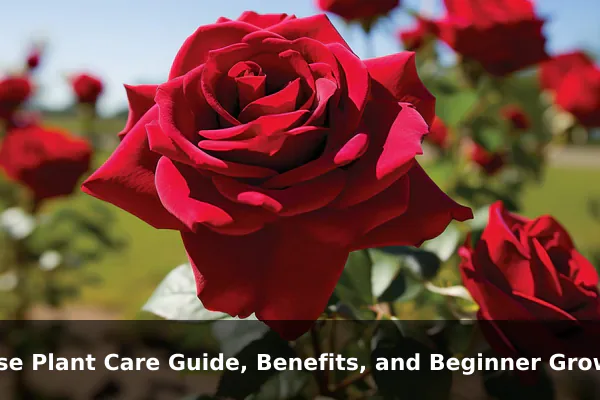
Roses have been grown in home gardens for centuries, and it is easy to understand why. Few plants offer the same combination of beauty, fragrance, and versatility that a healthy rose bush provides. Whether you want to brighten a flower bed, grow blooms for cutting, or simply add color to a small patio in containers, roses can fit almost any setting.
This guide walks first-time growers through everything they need to know — from choosing the right variety to solving the most common problems. By the end, you will have a clear picture of how to grow roses with confidence and enjoy more blooms each season.

What Makes Rose Plants Special for Beginners
Roses belong to the genus Rosa and include more than 300 wild species and thousands of cultivated varieties. While traditional hybrid teas require careful attention, a wide range of modern varieties are bred specifically for low maintenance and disease resistance — making them a great starting point for beginners.
Popular beginner-friendly types include:
- Knock Out Roses — nearly disease-resistant, continuous blooming, and very forgiving
- Miniature Roses — compact and ideal for pots and small gardens
- Climbing Roses — great for fences and trellises with less daily care once established
- Shrub Roses — hardy, adaptable, and bloom repeatedly through the season
Choosing the right variety for your climate and space is the single most important decision a new grower can make.
Rose Plant Benefits at Home and in the Garden
Beyond their visual appeal, rose plants offer a range of practical benefits that make them worth growing.
- Pollinator support: Roses attract bees, butterflies, and other beneficial insects that help your entire garden thrive.
- Cut flowers: Home-grown roses make exceptional bouquets, saving money on florist purchases.
- Fragrance: Scented varieties naturally perfume outdoor seating areas, patios, and entryways.
- Visual structure: Rose bushes add height and seasonal color, filling gaps in garden borders and beds.
- Rosehips for wellness: After blooms fade, many varieties produce rosehips — small fruits rich in vitamin C commonly used in teas and jams.
Rose Plant Meaning and Symbolism
Roses carry deep meaning across many cultures, and the color of a rose traditionally shapes its message:
- Red roses — love, passion, and romance
- Pink roses — gratitude, admiration, and gentle affection
- White roses — purity, new beginnings, and sympathy
- Yellow roses — friendship, joy, and warmth
- Orange roses — enthusiasm and fascination
For many gardeners, planting roses is also a way to honor relationships. Gifting a potted rose or a cutting from a personal garden has long been a meaningful gesture between family and friends.
Ideal Growing Conditions for Healthy Roses
Getting the environment right from the start saves a lot of trouble later. Roses are not difficult once their basic needs are met.
Sunlight
Roses need at least six hours of direct sunlight per day. Morning sun is especially valuable because it dries dew from leaves, reducing the risk of fungal disease. Avoid planting roses in full shade — they will produce fewer blooms and become more vulnerable to problems.
Soil and Drainage
Well-draining, loamy soil with a pH between 6.0 and 6.5 is ideal. Roses hate sitting in waterlogged soil. If your garden has heavy clay, mix in compost and coarse sand to improve drainage. For container growing, use a high-quality potting mix designed for flowering plants.
Airflow and Spacing
Plant roses with enough space between them — typically 60 to 90 cm apart for shrub types — to allow air to circulate freely. Poor airflow is one of the most common reasons roses develop black spot and powdery mildew.
How to Plant Roses the Right Way
Follow these simple steps when planting bareroot or potted roses:
- Choose the right time: Early spring or autumn is best in most climates.
- Dig the hole: Make it wide and deep enough to accommodate the root ball without crowding — roughly 45 cm wide and 45 cm deep.
- Add compost: Mix a generous handful of compost into the backfill soil.
- Set the plant: Place the rose so the bud union sits just above soil level.
- Water in well: Soak the soil thoroughly after planting to settle the roots.
- Apply mulch: Spread a 5–8 cm layer of organic mulch around the base, keeping it away from the stem, to retain moisture and suppress weeds.
Rose Plant Care Guide: Water, Feeding, and Pruning
Watering
Roses prefer deep, infrequent watering over light daily sprinkles. Aim to water at the base, directly at the soil, rather than over the leaves. In warm weather, watering two to three times per week is typically enough. In containers, check soil moisture daily as pots dry out faster than garden beds.
Fertilizing
Feed roses with a balanced fertilizer formulated for flowering plants in early spring when new growth begins. Repeat every four to six weeks through the blooming season. Stop fertilizing about six weeks before the first expected frost to avoid promoting tender new growth that cold weather can damage.
Deadheading and Light Pruning
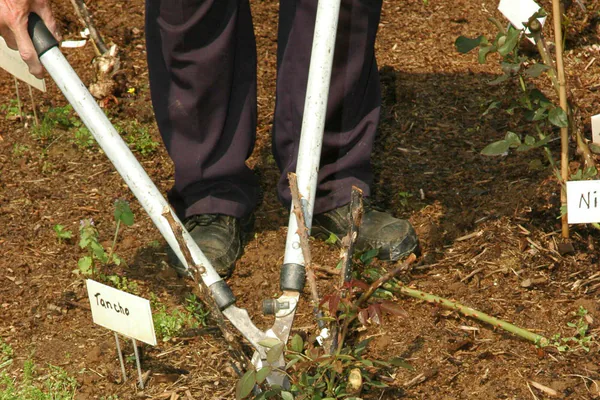
Removing spent blooms — called deadheading — encourages the plant to redirect energy into producing new flowers rather than setting seed. Use clean, sharp secateurs and cut the stem just above a set of five leaves. Light pruning in spring, removing dead or crossing branches, improves airflow and the overall shape of the plant.
Common Rose Problems and Easy Fixes
Yellow Leaves
Yellow leaves are most often caused by overwatering, poor drainage, or a nitrogen deficiency. Check soil drainage first, adjust watering frequency, and apply a balanced fertilizer if the yellowing is widespread across the plant.
Black Spot and Powdery Mildew
These fungal diseases appear as dark spots or a white powdery coating on leaves. Improve airflow between plants, avoid wetting leaves when watering, and remove infected foliage promptly. An organic neem oil spray applied early in the season is an effective preventive measure.
Aphids
Small clusters of soft-bodied aphids often gather on new growth and flower buds. A strong spray of water dislodges them, and introducing natural predators like ladybugs helps keep populations in check without chemicals.
Beginner Growing Tips for More Blooms
- Start with disease-resistant varieties like Knock Out or David Austin English roses to reduce the chance of fungal issues from the start.
- Never skip the mulch layer — it is one of the easiest ways to maintain consistent soil moisture and temperature around roots.
- Check plants in the morning so you can spot pest activity early before it gets out of hand.
- Prune consistently each spring, even if lightly — it keeps the plant healthy and productive year after year.
- If blooms look sparse, check sunlight first — insufficient sun is the most common hidden cause of poor flowering in roses.
Frequently Asked Questions About Rose Plants
Can roses grow in pots?
Yes. Miniature and patio rose varieties are particularly well suited to container growing. Use a pot at least 40 cm deep and wide, ensure there are drainage holes, and water more frequently than you would with garden beds.
How much sun do roses need?
A minimum of six hours of direct sunlight per day. More is better for flowering. Roses grown in fewer than four hours of sun will struggle to bloom reliably and become more disease-prone.
How long do roses bloom?
Modern repeat-blooming varieties such as shrub roses and Knock Out types can bloom continuously from late spring through autumn with proper care. Traditional once-blooming heritage roses flower for a single flush of about four to six weeks per season.
Do roses need a lot of fertilizer?
Roses are heavier feeders than many garden plants, but overfeeding with high-nitrogen fertilizer pushes leafy growth at the expense of flowers. Use a fertilizer balanced for blooming plants and follow package directions carefully.
Roses reward consistent, attentive care with some of the most beautiful blooms in the garden. With the right variety, a sunny spot, and a simple routine of watering, feeding, and pruning, even first-time growers can enjoy a thriving rose plant season after season. Start simple, stay consistent, and let the roses do the rest.
