
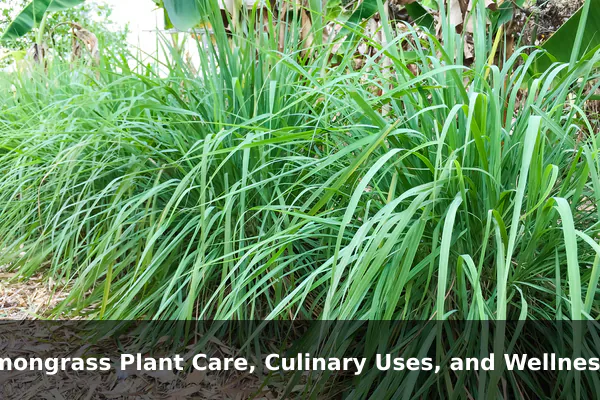
Lemongrass is one of those rare plants that earns its place in the garden, the kitchen, and the everyday wellness routine all at once. Known botanically as Cymbopogon citratus, this fragrant tropical grass produces tall, arching blades and tender stalks with a bright, citrusy aroma that has shaped cooking traditions across Southeast Asia, South Asia, the Caribbean, and beyond. Beyond flavor, lemongrass is often associated symbolically with freshness, cleansing, and vitality, which is part of why so many home gardeners include it in herb beds and patio containers.
This guide separates three things that are often blended together online: practical plant care, safe culinary handling, and cautious wellness discussion. Lemongrass can be genuinely useful, but the most trustworthy way to talk about it is with clear limits, safety notes, and reference-backed guidance, especially anything that touches health.
What Lemongrass Is and Why Gardeners Value It
Lemongrass is a clumping perennial grass in warm climates and a tender annual in cooler zones. According to the NC State Extension Gardener Plant Toolbox, Cymbopogon citratus forms dense bunches of slender, blue-green leaves with sharp edges, and produces edible lower stalks prized for their lemon-like flavor. The aroma comes largely from citral, the same family of compounds found in lemon peel.
Ornamental and Symbolic Appeal
Even gardeners who never cook with it grow lemongrass for its texture and movement. The arching foliage softens the edges of raised beds, fills large pots gracefully, and pairs well with brighter flowering herbs. In many traditions, lemongrass is loosely associated with cleansing rituals and a feeling of freshness, partly because of its scent and partly because of its long history in herbal teas.
Ideal Growing Conditions for Healthy Lemongrass
Lemongrass is not fussy, but it does want what its tropical origins suggest: warmth, sun, and consistent moisture without waterlogging.
- Sunlight: Full sun, ideally six or more hours a day. In hot climates it tolerates light afternoon shade.
- Temperature: Thrives in warm conditions and is sensitive to frost. Extension sources note it is generally hardy outdoors only in warm zones; elsewhere it is grown as an annual or overwintered indoors.
- Soil: Rich, loamy, well-draining soil. Heavy clay tends to cause rot at the base of the clump.
- Water: Even moisture during active growth. Containers may need watering more frequently than in-ground plants.
- Containers vs. ground: A 5 gallon or larger pot lets you move the plant indoors before frost, which is the most reliable strategy in cool regions.
Planting, Propagation, and Seasonal Care
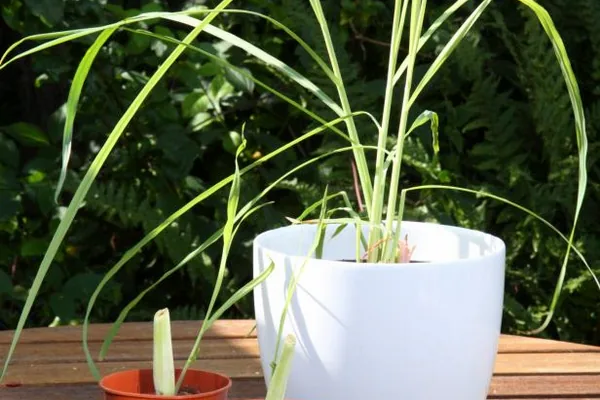
One reason lemongrass is beginner-friendly is how easy it is to multiply.
Starting From Stalks or Divisions
- Choose firm, fresh stalks with the base intact. Trim the tops to about 4 to 6 inches.
- Place the bases in a glass of water in a bright spot. Roots typically appear within one to three weeks.
- Once roots are an inch or two long, pot them in well-draining soil and keep them warm.
- Mature clumps can also be divided in spring by separating outer shoots with roots attached.
Spacing, Feeding, and Pruning
- Space clumps about 24 inches apart in the ground so they have room to fan out.
- Feed lightly during the growing season with a balanced fertilizer; lemongrass does not need heavy feeding.
- Trim dead or browned leaves to keep the clump tidy and improve airflow.
- In colder regions, lift the plant before frost, cut foliage back, and overwinter it in a bright, cool indoor spot.
Common Lemongrass Care Problems
Most issues come back to water, light, or temperature.
- Yellow leaves: Often caused by overwatering, poor drainage, or nutrient deficiency in long-term container plants.
- Weak, floppy growth: Usually a sign of insufficient sunlight.
- Brown leaf tips: Can indicate inconsistent watering or dry indoor air during winter.
- Cold damage: Even a light frost can scorch foliage; the crown may recover if protected, but exposed plants often fail.
- Pests: Usually minimal outdoors; indoors, watch for spider mites in dry air.
- Pet safety: NC State Extension flags Cymbopogon citratus as potentially problematic if eaten in quantity by pets, so consider placement if you have curious cats or dogs.
How to Harvest, Store, and Prepare Lemongrass Safely
Wait until stalks are roughly the thickness of a pencil at the base. Grasp an outer stalk near the soil and twist or cut it cleanly. The most flavorful, tender part is the pale lower stem, generally the bottom 3 to 6 inches.
Safe Handling in the Kitchen
Because lemongrass is a fresh produce item, the FDA guidance on selecting and serving produce safely is a useful baseline:
- Rinse stalks under running water before trimming; avoid soap or bleach.
- Trim the dry root end and remove the tough outer leaves.
- Use a clean cutting board and sharp knife; lemongrass fibers are firm.
- Refrigerate trimmed stalks wrapped loosely, or freeze them for longer storage.

Culinary Uses: From Tea to Savory Dishes
Lemongrass shines in dishes that benefit from a clean, citrus-floral note without the sharp acidity of lemon juice. Under U.S. regulations summarized in 21 CFR 182.20, lemon grass appears among essential oils and natural extractives recognized for use as flavoring substances, which reflects its long-standing role in food.
Everyday Ways to Use It
- Soups and broths: Bruise a 3 to 4 inch piece with the flat of a knife and simmer to release flavor; remove before serving.
- Curries and stir-fries: Mince only the tender pale core finely so it does not feel fibrous.
- Marinades: Combine with garlic, ginger, lime, and a neutral oil for poultry, seafood, or tofu.
- Tea: Steep a bruised stalk or a few slices in hot water for 5 to 10 minutes; sweeten lightly if desired.
- Syrups and infused oils: Gently warm with sugar syrup or oil, then strain.
Texture Tip
Even tender lemongrass remains fibrous. Either mince it very finely, blend it into a paste, or remove the bruised pieces before plating. This single habit improves almost every lemongrass dish.
Wellness Benefits: What Lemongrass May Support
Lemongrass has a long history in traditional preparations, and Memorial Sloan Kettering Cancer Center notes it has been studied for properties such as antioxidant and antimicrobial activity in laboratory settings. However, MSKCC also emphasizes that strong human evidence for many popular health claims is limited.
With that framing, here is how to think about lemongrass realistically:
- Digestive comfort: A warm, mild tea after a meal is a traditional ritual that many people find soothing.
- Relaxation: The citrus aroma is widely used in aromatherapy contexts; the sensory experience itself can be calming.
- Antioxidant compounds: Lemongrass contains plant compounds studied for antioxidant activity, though dietary impact in everyday cooking amounts is modest.
- Flavorful low-sodium cooking: Indirectly helpful, since aromatic herbs let you reduce salt without losing satisfaction.
Lemongrass is not a treatment for any disease, and it should not replace medical care.
Safety, Supplements, and When to Be Cautious
The FDA reminds consumers that dietary supplements are not pre-approved for safety or effectiveness the way prescription drugs are, and that responsibility for safety largely sits with manufacturers. That makes a careful approach worthwhile.
- Pregnancy and breastfeeding: MSKCC notes pregnancy cautions for certain herbal preparations; concentrated lemongrass products are best avoided unless cleared by a clinician.
- Medication interactions: Concentrated extracts and supplements may interact with medications. Discuss use with a healthcare provider, especially if you take prescription drugs.
- Allergy and skin irritation: Some people react to lemongrass topically or when handling cut stalks; essential oils are highly concentrated and should always be diluted.
- Children and pets: Keep concentrated oils away from children and pets; the culinary plant is generally fine in normal cooking quantities for people but use judgment with pets.
A Simple Way to Bring Lemongrass Into Daily Life
You do not need an elaborate routine to enjoy lemongrass. A practical starting point is to pair one habit from each of three areas:
- Plant care habit: Water deeply once a week in summer and check that the pot drains freely.
- Kitchen use: Add a bruised stalk to one soup, broth, or marinade each week.
- Wellness ritual: Enjoy a mild lemongrass tea in the evening, treating it as a calming ritual rather than a remedy.
Approached this way, lemongrass becomes what it does best: a useful, fragrant, low-fuss plant that quietly improves meals and small moments, without the burden of overstated health promises. Grow it with steady warmth and sun, cook with the tender lower stems, and lean on trustworthy sources whenever questions about safety come up.
Official references
- Memorial Sloan Kettering Cancer Center – Lemongrass – Best anchor for wellness-benefit claims, human-evidence limits, side effects, pregnancy cautions, and herb-drug interaction caveats.
- FDA – FDA 101: Dietary Supplements – Use for guardrails on herbal supplement claims, safety responsibilities, FDA approval limits, and consumer cautions.
- FDA – Selecting and Serving Produce Safely – Relevant for safe handling, washing, storing, and preparing fresh edible herbs such as lemongrass.
- eCFR – 21 CFR 182.20 Essential Oils and Natural Extractives – Primary regulatory reference listing lemon grass among essential oils/natural extractives used as flavoring substances under GRAS-related rules.
- NC State Extension Gardener Plant Toolbox – Cymbopogon citratus – University extension source for plant identification, cultural conditions, edibility, propagation, hardiness, and pet-toxicity cautions.
