
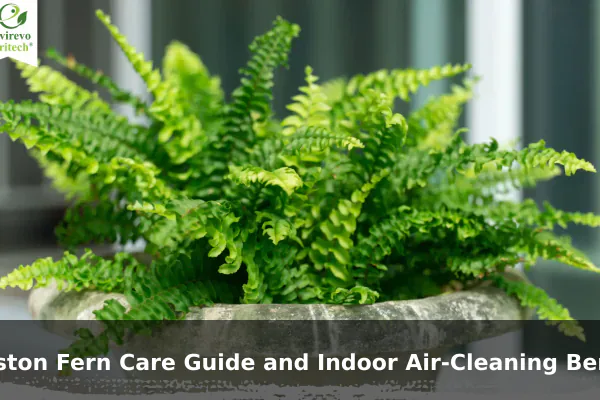
The Boston fern (Nephrolepis exaltata) is one of those classic houseplants that instantly softens a room with its arching, feathery fronds and cool green texture. It has been a parlor favorite for more than a century, prized for its lush appearance, its symbolism of shelter and sincerity, and its reputation as a humidity-loving companion for indoor spaces.
This guide focuses on practical, science-aware Boston fern care while honestly examining the popular claim that it cleans indoor air. You will learn how to keep the plant thriving with the right light, water, and humidity, and how to interpret its air-purifying reputation in the context of real homes rather than sealed laboratory chambers.
What Makes Boston Fern a Favorite Indoor Plant
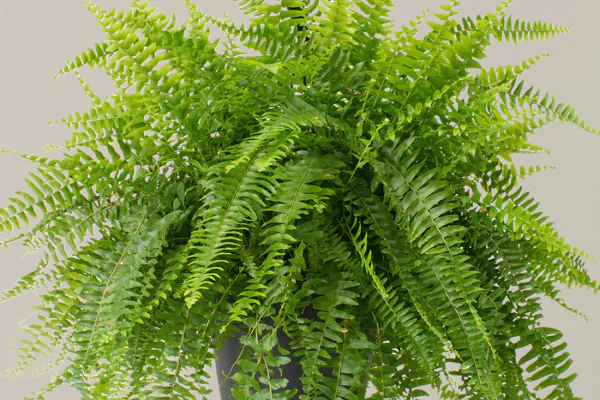
Boston fern is a cultivar group of Nephrolepis exaltata, a tropical sword fern native to humid regions of the Americas, Africa, and Asia. According to the Missouri Botanical Garden and North Carolina Extension plant profiles, it is widely grown indoors for its graceful, cascading fronds that can reach two to three feet in length under good conditions.
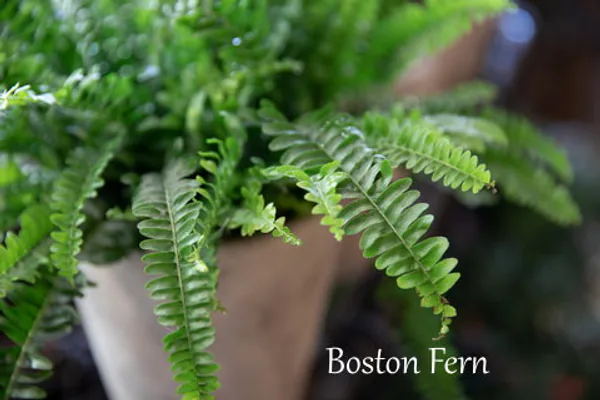
What sets it apart from many other houseplants is its texture. Instead of broad, glossy leaves, you get dense ranks of small leaflets that catch light and movement. That texture is part of why people associate the plant with comfort, calm, and a slightly nostalgic, old-fashioned charm.
Symbolism and decorative appeal
Within the broader plant meaning tradition, ferns are often linked to sincerity, shelter, humility, and renewal. Boston fern in particular tends to symbolize a welcoming, sheltering home, which makes it a popular housewarming or new-baby gift. Visually, it pairs well with rattan, wood, ceramic, and other natural materials, fitting both modern minimalist and traditional cottage styles.
Ideal Light, Temperature, and Placement
Boston fern grows best in bright, indirect light. The University of Florida IFAS EDIS production guide and Missouri Botanical Garden both note that direct, harsh sun easily scorches the delicate fronds, while very deep shade causes thin, leggy growth and dropped leaflets.
Where to place your fern
- An east-facing window with gentle morning light.
- A few feet back from a bright south- or west-facing window, filtered by a sheer curtain.
- A bathroom or kitchen with a frosted window, where humidity tends to be higher.
- A shaded covered porch during warm, frost-free months.
Indoor temperatures between roughly 18-24 degrees Celsius (65-75 degrees Fahrenheit) suit it well. Avoid placing the plant directly above heating vents, beside radiators, or in the path of cold drafts from air conditioners or frequently opened doors, because sudden temperature swings often trigger frond browning.
Watering and Humidity Needs
If there is one principle that separates a thriving Boston fern from a struggling one, it is steady moisture in both soil and air. The plant likes its potting mix to stay consistently moist but never waterlogged. Letting it dry out completely usually causes crispy, brown frond tips that do not recover.
Practical watering routine
- Check the top centimeter of soil with your finger; water when it just starts to feel less moist.
- Water thoroughly until liquid drains from the bottom of the pot.
- Empty the saucer after a few minutes so roots do not sit in standing water.
- Expect to water more often in warm, dry seasons and less in cool, low-light months.
Humidity is just as important. Boston fern naturally grows in humid forests and prefers indoor humidity above roughly 50 percent. In typical heated or air-conditioned homes, indoor air is often much drier than that.
Ways to raise humidity
- Group your fern with other plants to create a moister micro-climate.
- Set the pot on a tray of pebbles and water, keeping the pot base above the waterline.
- Run a small room humidifier nearby, especially in winter.
- Mist lightly in the morning, but rely mainly on the tray or humidifier; misting alone is rarely enough.
The U.S. Environmental Protection Agency’s indoor air quality guide also reminds us that chronically over-watered houseplants and soggy soil can promote mold growth, which is itself an indoor air pollutant. Good drainage and a breathable potting setup matter for both plant and air quality.
Soil, Potting, and Feeding Basics
Boston fern prefers a loose, organic-rich potting mix that holds moisture yet drains freely. A general peat- or coir-based houseplant mix amended with a little perlite or bark works well. The container must have drainage holes; decorative cachepots without holes should be used only as outer covers.
Repotting cues
- Roots circling the surface or pushing out of drainage holes.
- Soil drying out very quickly after each watering.
- Noticeably slowed growth despite good light and care.
Repot in spring into a container about one size larger, gently teasing apart compacted roots. This is also a good moment to divide an oversized clump into two ferns.
Feeding
Extension references generally recommend light, regular feeding during active growth. A balanced liquid houseplant fertilizer at half the label rate every four to six weeks in spring and summer is usually plenty. Skip or reduce feeding in low-light winter months, because excess fertilizer salts can scorch the sensitive root tips and cause frond browning.
Common Boston Fern Problems and Fixes
Most problems trace back to one of three issues: dry air, inconsistent watering, or unsuitable light. Diagnosing carefully usually beats reaching for chemicals.
Typical symptoms
- Brown, crispy frond tips: often low humidity, under-watering, or fertilizer burn.
- Yellowing fronds: commonly over-watering, poor drainage, or root stress.
- Massive leaflet drop: usually a sudden environmental shock, like moving the plant or a cold draft.
- Pale, thin growth: typically too little light.
- Pests such as scale, mealybugs, or spider mites: more likely in hot, dry indoor air; rinse fronds and treat with insecticidal soap as labeled.
When fronds look ragged, do not be afraid to trim damaged stems back to the base. New fiddleheads usually unfurl from the crown within a few weeks if the core conditions are right.
Indoor Air-Cleaning Benefits: What the Evidence Really Means
Boston fern frequently appears on lists of “air-purifying houseplants.” Most of these lists trace back to a 1989 NASA technical report, Interior Landscape Plants for Indoor Air Pollution Abatement, which tested several common houseplants, including Nephrolepis exaltata, inside small sealed chambers for their ability to remove volatile organic compounds such as formaldehyde.
The study did show measurable pollutant uptake by plants and their root-zone microbes, and Boston fern performed comparatively well for formaldehyde in those experiments. That is the kernel of truth behind the headlines.
The important caveats
- The chambers were small, sealed, and not representative of a real home with open doors, ventilation, and constantly emitting materials.
- Later reviews of indoor air science have concluded that you would need an impractically large number of plants per square meter to match the cleaning effect of normal ventilation in a typical room.
- The EPA’s indoor air quality guidance does not list houseplants as a primary control strategy. Instead, it emphasizes source control, ventilation, and proper filtration.
So Boston fern is not a magical air filter, but the underlying biology is real. Treating the plant as one helpful element in a broader indoor air strategy is far more accurate than calling it a replacement for opening a window or maintaining your HVAC system.
How Boston Fern Supports a Fresher Indoor Environment
Even with the cautious framing above, Boston fern still contributes to a more comfortable indoor environment in several realistic ways:
- Local humidity feel: transpiration from its many leaflets can subtly soften very dry indoor air around the plant.
- Possible pollutant interaction: like other foliage plants, it may participate in low-level uptake of certain volatile compounds, even if the effect at room scale is modest.
- Biophilic comfort: the soft texture and green color are widely associated with reduced visual stress and a more restful atmosphere.
- Behavior nudges: caring for a humidity-loving plant often encourages owners to ventilate, dust, and pay closer attention to overall air quality.
Pair your fern with the basics the EPA actually recommends: reduce indoor pollution sources, ventilate regularly, and use appropriate filtration. The plant becomes a pleasant, supportive part of that system rather than a stand-alone solution.
Boston Fern Meaning and Best Uses at Home
Within the plant-meaning tradition, Boston fern speaks to shelter, sincerity, calm, and renewal. Its constant unfurling of new fronds is a quiet visual reminder that growth in a home is ongoing.
Suggested placements
- Bathrooms with natural light: humidity and indirect sun help the fern thrive.
- Reading nooks and bedrooms: the soft texture supports a restful mood.
- Hanging baskets in entryways: a welcoming green canopy for guests.
- Home offices: a calming visual break from screens during long work sessions.
It also makes a thoughtful gift for housewarmings, new parents, or anyone moving into a calmer phase of life, thanks to its sheltering symbolism and gentle appearance.
Quick Care Checklist
Use this scan-friendly summary to keep your Boston fern healthy:
- Light: bright, indirect; no harsh direct sun.
- Temperature: roughly 18-24 degrees Celsius; avoid drafts and heat sources.
- Water: keep soil consistently moist, never soggy; always drain the saucer.
- Humidity: aim for 50 percent or more using trays, grouping, or a humidifier.
- Soil: light, organic, well-draining houseplant mix in a pot with drainage holes.
- Feeding: diluted balanced liquid fertilizer roughly monthly in spring and summer; pause in winter.
- Pruning: trim brown or damaged fronds at the base to encourage fresh growth.
- Watch for: crispy tips (dry air), yellow fronds (over-watering), pests in hot, dry rooms.
Final Thoughts on Boston Fern Care and Air Quality
Boston fern rewards patient, attentive care with a generous flush of soft, green fronds that bring texture and a sense of shelter into a home. Get the fundamentals right – bright indirect light, steady moisture, decent humidity, and a breathable potting setup – and most other issues either prevent themselves or become easy to correct.
On air quality, it is fair to say Boston fern may contribute modestly to cleaner, more pleasant indoor air, especially through humidity and the calming presence of greenery. It is not fair to call it a substitute for ventilation, filtration, and source control. Treat it as a beautiful, comforting roommate that also nudges you toward better air habits, and you will get the most honest version of its benefits.
Official references
- University of Florida IFAS EDIS – Cultural Guidelines for Commercial Production of Boston Fern – Primary extension reference for Boston fern cultivar background, cultural requirements, interior use, and production-related care problems.
- Missouri Botanical Garden Plant Finder – Nephrolepis exaltata – Authoritative horticultural profile covering indoor Boston fern light, watering, humidity, fertilizing, and common problems.
- North Carolina Extension Gardener Plant Toolbox – Nephrolepis exaltata – University extension plant profile for taxonomy, growing conditions, pests, and practical care notes.
- U.S. Environmental Protection Agency – The Inside Story: A Guide to Indoor Air Quality – Government source for indoor air quality fundamentals, source control, ventilation, filtration, and cautions about over-watered houseplants.
- NASA Technical Reports Server – Interior Landscape Plants for Indoor Air Pollution Abatement – Primary historical NASA chamber-study source often cited for plant air-cleaning claims; useful when explaining the origin and limits of the claim.
