
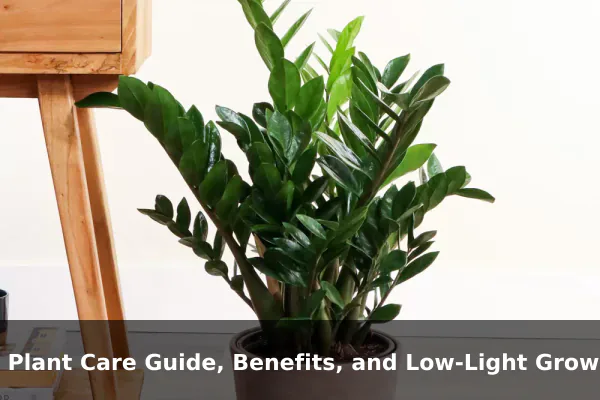
The ZZ plant has quietly become one of the most recommended houseplants for people who want greenery without a demanding routine. With its glossy, upright leaves and remarkable drought tolerance, it thrives in conditions where many other tropicals struggle, including apartments with dim corners and offices with inconsistent care. If you have ever killed a fern with too much love or watched a fiddle-leaf fig sulk in a low-light room, the ZZ plant offers a refreshingly forgiving alternative.
This guide focuses on practical, safety-conscious care for Zamioculcas zamiifolia, covering what makes it special, how to keep it healthy in low light, and the realistic limits of its resilience. We will also look at its symbolic meaning, common problems, and the toxicity considerations that matter if you share your home with pets or small children. The goal is to help you grow a long-lived, attractive ZZ plant without falling into the most common care mistakes.
What Is a ZZ Plant?
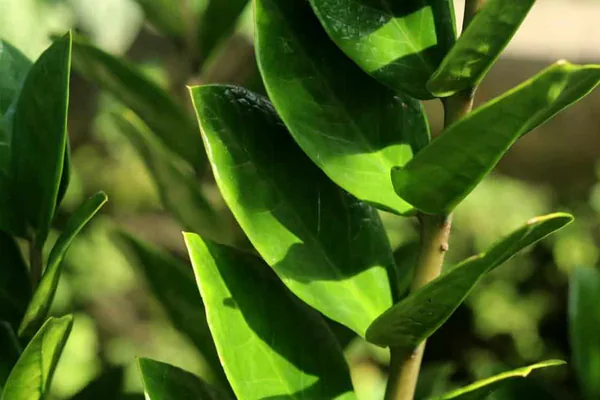
The ZZ plant is a tropical perennial native to eastern Africa, accepted botanically as Zamioculcas zamiifolia by the Royal Botanic Gardens, Kew. It belongs to the Araceae family, the same group that includes peace lilies, philodendrons, and monsteras. Despite that family resemblance, the ZZ plant looks quite different from its relatives, with stiff, arching stems lined by paired, waxy leaflets that almost appear polished.
Botanical Background and Appearance
Beneath the soil, the ZZ plant grows from thick underground rhizomes that resemble small potatoes. These rhizomes store water and nutrients, which is the main reason the plant can survive long stretches of neglect. Above ground, mature stems can reach roughly two to three feet, producing the dense, upright silhouette that designers love for modern interiors.
Why It Became a Popular Houseplant
ZZ plants gained worldwide popularity in the late 1990s as growers recognized how well they performed indoors. According to university extension resources such as UF/IFAS and the North Carolina Extension Gardener Plant Toolbox, the species is valued for tolerating low light, low humidity, and infrequent watering, making it especially suitable for beginners and busy households.
Key Benefits and Meaning of ZZ Plants
The ZZ plant is loved for far more than its looks. Its appeal sits at the intersection of practical resilience, decorative versatility, and gentle symbolic meaning.
Practical and Decorative Benefits
- Low maintenance: Tolerates missed waterings and irregular care thanks to its water-storing rhizomes.
- Low-light tolerance: Performs in rooms where flowering plants and many tropicals would decline.
- Architectural shape: Upright stems and glossy leaves complement minimalist, modern, and traditional interiors.
- Slow, predictable growth: Stays tidy and rarely outgrows its pot quickly.
- Pest resistance: Less prone to common houseplant pests when kept in suitable conditions.
Symbolic Meaning
In many homes and offices, the ZZ plant is associated with prosperity, steady growth, and perseverance. The symbolism is informal rather than scientific, but it reflects the plant’s reputation for thriving quietly through difficult conditions. It is often given as a housewarming or new-business gift for that reason.
A Note on Health Claims
You may see online articles claiming the ZZ plant dramatically purifies indoor air. The reality is more modest. While houseplants contribute small benefits to indoor environments, no single plant meaningfully replaces ventilation or filtration. Enjoy the ZZ plant for its beauty and resilience rather than as a medical device.
Best Light Conditions for ZZ Plants
Light is the single most misunderstood part of ZZ plant care. The plant is famous for tolerating low light, but tolerance and preference are not the same thing.
Ideal Light
The ZZ plant grows best in bright, indirect light, such as a few feet back from an east- or north-facing window, or behind a sheer curtain on a brighter exposure. In those conditions, growth is steadier and leaves stay deep green.
What Low Light Really Means
True low light indoors means a spot where you can comfortably read during the day without turning on a lamp, but where no direct sun reaches the plant. ZZ plants can survive such conditions, but they will grow noticeably slower and may stretch toward the nearest light source.
Light to Avoid
- Harsh, direct afternoon sun can scorch leaves, leaving pale or brown patches.
- Total darkness, such as a windowless bathroom with no artificial light, is not sustainable long term.
- Sudden changes from deep shade to bright sun may shock the plant; transition it gradually.
How to Water a ZZ Plant Correctly
Overwatering is the leading cause of ZZ plant decline. Because the rhizomes already store water, the plant prefers a dry-leaning routine, especially in lower light.
A Simple Watering Rhythm
- Check the top two inches of soil with your finger. If it feels dry, water thoroughly.
- Water until liquid drains from the bottom of the pot, then discard any excess from the saucer.
- Wait until the soil is dry again before the next watering. This may be every two to three weeks, or longer in cool, dim rooms.
Seasonal Adjustments
During spring and summer, when light and temperatures are higher, the plant uses water faster and may need more frequent watering. In autumn and winter, growth slows dramatically, and watering should be reduced to avoid soggy soil.
Signs of Overwatering and Underwatering
- Overwatering: Yellowing lower leaves, mushy stems at the base, and a sour smell from the soil.
- Underwatering: Wrinkled stems, curling leaflets, and very light pot weight.
When in doubt, err on the dry side. University extension guidance consistently warns that root and rhizome rot from excess moisture is far more common than drought stress.
Soil, Pot, Temperature, and Humidity Needs
Getting the growing environment right makes everything else easier. ZZ plants are not picky, but a few details matter.
Soil and Potting Mix
Use a well-draining potting mix, such as a standard houseplant blend amended with perlite, pumice, or coarse sand. A succulent or cactus mix also works well. The goal is a medium that holds some moisture but drains quickly, preventing the rhizomes from sitting in water.
Choosing a Pot
- Always choose a pot with drainage holes.
- Terracotta is forgiving because it dries faster, while glazed ceramic and plastic retain moisture longer.
- Pick a pot only slightly larger than the rhizome cluster; oversized pots stay wet too long.
Temperature and Humidity
ZZ plants prefer typical indoor temperatures of roughly 65 to 80 degrees Fahrenheit (18 to 27 degrees Celsius). They tolerate average household humidity and do not require misting or humidifiers. Avoid placing them near cold drafts, air-conditioning vents, or unheated rooms in winter, since prolonged cold can damage the foliage.
Fertilizing, Pruning, and Cleaning Leaves
ZZ plants are slow, modest growers, so their feeding and grooming needs are minimal.
Fertilizing
Feed lightly during the active growing season, typically spring through early autumn. A balanced, water-soluble houseplant fertilizer diluted to half the labeled strength, applied roughly once a month, is enough. Avoid fertilizing in winter or when the plant is stressed.
Pruning
Use clean scissors or pruners to remove yellowed, damaged, or leggy stems at the base. Pruning is mainly cosmetic; the plant does not require shaping. If a stem leans heavily toward a window, rotate the pot rather than tying it up.
Cleaning the Leaves
Glossy leaves attract dust, which can slowly reduce the plant’s ability to use available light. Wipe the leaves gently with a soft, damp cloth every few weeks. Skip commercial leaf shine products, as they can clog leaf pores.
Common ZZ Plant Problems and Fixes
Most ZZ plant problems trace back to watering, light, or pot conditions. Use this quick diagnostic guide before reaching for a chemical fix.
- Yellow lower leaves: Usually overwatering. Let the soil dry out fully and check that the pot drains.
- Drooping or splaying stems: Often a sign of soft, rotting rhizomes or, less commonly, severe underwatering.
- Brown leaf tips: Can indicate dry air combined with inconsistent watering or buildup of minerals from tap water.
- Slow or no growth: Frequently caused by very low light or cold temperatures rather than disease.
- Pale, stretched stems: The plant is reaching for light; move it closer to a window or add a grow light.
- Pests: Watch for occasional mealybugs, scale, or spider mites. Wipe affected areas with a cloth dampened in diluted insecticidal soap.
When to Repot
Repot only when rhizomes are pressing against the pot wall or visibly lifting the soil, often every two to three years. Choose a pot just one size larger and refresh the potting mix at the same time.
Is ZZ Plant Toxic to Pets or Children?
This is one of the most important points to understand before bringing a ZZ plant home. According to UF/IFAS, North Carolina Extension, and the ASPCA, ZZ plants contain insoluble calcium oxalate crystals throughout their tissues.
What That Means in Practice
If a pet or child chews or bites the leaves or stems, the crystals can cause:
- Mouth, lip, or throat irritation and burning
- Excessive drooling
- Difficulty swallowing
- Vomiting in some cases
The plant is not considered deadly in typical exposures, but the discomfort can be significant. The ASPCA recommends contacting a veterinarian or animal poison control if a pet ingests any part of the plant.
Safe Handling
- Place the plant out of reach of curious pets and small children.
- Wash your hands after pruning or repotting, since sap can irritate sensitive skin and eyes.
- Consider wearing gloves if you have sensitive skin.
You do not need to avoid the plant entirely if you have pets or children, but you should think carefully about placement and supervision.
Low-Light Growing Tips for Long-Term Success
If your home leans toward dim interiors, the ZZ plant is still a strong choice, provided you adjust a few habits.
Smart Placement
- Choose the brightest available wall in a low-light room, even if it does not get direct sun.
- Avoid placing the plant deep in hallways or corners with no nearby window or lamp.
- Group it with other low-light tolerant plants to create visual interest without competing for light.
Rotate and Clean
Rotate the pot a quarter turn every couple of weeks so all sides receive even light. Wipe the leaves regularly so dust does not block the modest light the plant does receive.
Adjust Watering for Dim Rooms
Plants in low light use less water. Stretch the time between waterings, and always check the soil before pouring. In very dim rooms, monthly watering may be appropriate during cooler months.
Consider Supplemental Light
If a ZZ plant looks pale, leggy, or refuses to push new growth, a small LED grow light on a timer for several hours a day can make a meaningful difference without changing your décor.
Who Should Choose a ZZ Plant?
The ZZ plant suits a wide range of indoor gardeners, but it shines for specific groups.
Best-Fit Owners
- Beginners who want a confidence-building first houseplant.
- Busy professionals and frequent travelers who cannot water on a strict schedule.
- Apartment dwellers with limited windows or north-facing exposures.
- Offices with fluorescent or LED overhead lighting and inconsistent care.
- Renters who want long-lived greenery they can move easily.
When to Choose a Different Plant
The ZZ plant is less ideal for households where pets or small children frequently chew on plants, or for sunlit conservatories where a true sun-lover would thrive better. In those cases, consider pet-safer options or species that genuinely prefer bright light.
Conclusion
The ZZ plant earns its reputation as a near-foolproof houseplant by combining glossy good looks with genuine resilience. Treat it gently with bright indirect light when possible, water it only when the soil dries out, give it a well-draining pot, and keep it out of reach of nibbling pets and curious children. Do these few things consistently and you will likely enjoy the same plant for many years.
For the most reliable, up-to-date information on care details, toxicity, and identification, lean on trusted sources such as the Royal Botanic Gardens at Kew, university extension services, and the ASPCA. With a little patience and a light touch, your ZZ plant can become a calm, lasting green presence in even the dimmest corner of your home.
Official references
- Royal Botanic Gardens, Kew – Plants of the World Online: Zamioculcas zamiifolia – Authoritative taxonomy source for the accepted scientific name, family, and botanical background of ZZ plant.
- UF/IFAS Ask IFAS – Florida Foliage House Plant Care: ZZ Plant – University extension reference for ZZ plant indoor care, light, water, temperature, drought tolerance, and root rot risks.
- North Carolina Extension Gardener Plant Toolbox – ZZ Plant – University extension profile covering low-light tolerance, watering guidance, toxicity severity, and pet safety notes.
- UF/IFAS Ask IFAS – Common Poisonous Houseplant Species in Florida – Specific safety reference explaining ZZ plant calcium oxalate toxicity and symptoms if chewed or ingested.
- ASPCA – These Houseplants Can Cause Trouble for Your Pets – Primary pet-safety source listing ZZ plant among insoluble calcium oxalate houseplants and advising when to contact veterinary poison control.
