

Few indoor plants have captured the imagination of home decorators, plant enthusiasts, and beginners quite like the Monstera. With its dramatically split and fenestrated leaves, this tropical plant has become a staple in modern homes, apartments, and offices worldwide. Whether you spotted one in a café or fell in love scrolling through plant accounts online, the appeal is easy to understand.
The good news is that despite its impressive looks, Monstera is relatively forgiving and well-suited for beginners. That said, a few key conditions — light, watering frequency, humidity — make the difference between a thriving plant and a struggling one. In this guide, you will learn how to care for your Monstera, the real benefits of keeping one, common problems and how to solve them, and smart tips for choosing a healthy plant before you buy.
Why Monstera Stands Out as a Houseplant
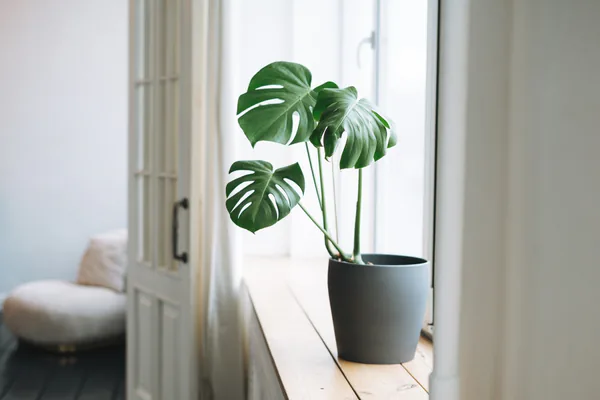
The Monstera — most commonly Monstera deliciosa — is a tropical plant native to the rainforests of Central and South America. In the wild, it climbs large trees in search of light, developing leaves that can reach several feet across. Indoors, it stays more manageable while still growing impressively over time.
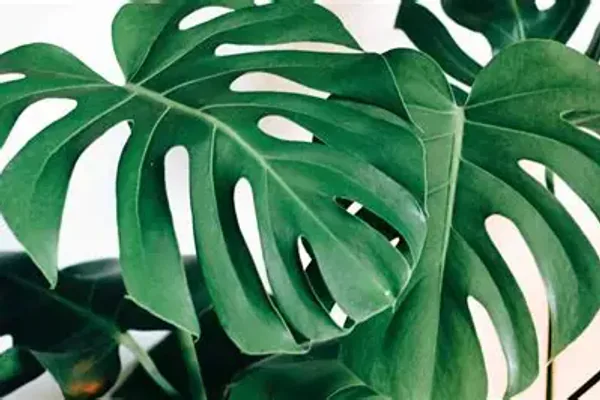
What makes Monstera particularly special is its iconic leaf shape. As the plant matures, its leaves develop natural holes and deep splits — a feature called fenestration — that give it an instantly recognizable, architectural look. This is not just decorative; botanists believe fenestration helps leaves withstand tropical storms and allows light to filter through to lower foliage.
Popular Monstera Varieties
- Monstera deliciosa — the most common variety, large split leaves, moderate care
- Monstera adansonii — smaller with rounder holes, ideal for compact spaces
- Monstera Thai Constellation — rare variegated variety with creamy white patches
- Monstera Peru — compact, textured dark green leaves, no fenestration
For most buyers, Monstera deliciosa is the right choice — easy to find, straightforward to care for, and dramatic enough to transform any room.
Main Benefits of Keeping a Monstera at Home
Beyond aesthetics, there are real practical reasons people choose Monstera as a long-term houseplant.
Aesthetic and Decorating Value
Monstera has become a design icon. Its large, architectural leaves add depth, texture, and tropical energy to any room. Interior designers frequently use it as a focal point because it grows tall and naturally fills corners. Whether you prefer minimalist or lush styles, a well-placed Monstera elevates the space.
Mood and Wellbeing Benefits
Research consistently links indoor plants to reduced stress, improved mood, and a greater sense of calm. Having lush greenery like Monstera in your home creates a connection to nature that can positively affect focus and mental wellbeing. Many plant owners report feeling more at ease in rooms with healthy, thriving plants.
Adaptability as a Houseplant
Monstera tolerates a range of light conditions, survives occasional missed waterings, and adjusts to average indoor humidity levels. For people who want a striking plant without the complexity of more demanding tropicals, Monstera hits the right balance of beauty and resilience.
Light, Water, and Soil Needs
Getting the fundamentals right is the key to a healthy Monstera. Three things matter most: light exposure, watering habits, and soil composition.
Light Requirements
Monstera thrives in bright, indirect light. A position near a window with plenty of ambient light — but without direct sun — is ideal. Direct sunlight scorches the leaves, leaving brown or bleached patches. Very low light slows growth and reduces fenestration; new leaves may grow smaller and without characteristic splits.
- Best placement: 2–4 feet from a south- or east-facing window, with a sheer curtain to filter harsh rays
- Avoid: Direct midday sun or deep interior corners with no natural light
- Supplement: Full-spectrum grow lights work well in darker spaces
Watering Guidelines
Overwatering is the most common mistake. Water thoroughly until it drains from the bottom, then wait until the top 1–2 inches of soil feel dry before watering again — typically every 7–14 days depending on the season. Always ensure the pot has drainage holes. Sitting in waterlogged soil leads quickly to root rot, which is the leading cause of Monstera failure indoors.
Soil and Potting Mix
Monstera needs well-draining, aerated soil that holds some moisture without becoming compacted. A mix of standard potting soil with perlite or orchid bark works very well. Repot every 1–2 years or when roots begin circling the bottom or emerging from drainage holes.
Humidity, Temperature, and Feeding Tips
Monstera’s tropical origins mean it has specific climate preferences, though it adapts well to typical home environments with basic care.
Ideal Humidity and Temperature
Monstera prefers humidity levels between 40–60%. Most homes fall comfortably in this range. During winter when heating systems dry the air, you may notice crispy leaf edges. To boost humidity, use a humidifier nearby, lightly mist leaves in the morning, or set the pot on a tray of pebbles and water. Keep temperatures between 65°F and 85°F (18°C–29°C) and avoid cold drafts, air conditioning vents, or temperatures below 50°F (10°C).
Fertilizing Schedule
During spring and summer, feed your Monstera once a month with a balanced liquid fertilizer diluted to half strength. In fall and winter, stop or reduce to once every 6–8 weeks as growth slows. Avoid over-fertilizing — too much causes salt buildup in soil, which damages roots and creates burnt leaf tips.
Common Problems and How to Fix Them
Knowing what warning signs to look for means you can address most problems before they become serious.
Yellow Leaves
Yellow leaves most commonly signal overwatering. If the soil feels wet and lower leaves are yellowing, let the plant dry out fully. Check roots if the problem persists — dark, mushy roots indicate rot; trim and repot in fresh soil immediately.
Brown Edges and Drooping
Brown crispy edges typically point to low humidity, underwatering, or too much direct sun. Drooping or wilting leaves usually mean underwatering — water thoroughly and the plant typically recovers within hours. Overwatering can also cause drooping when damaged roots can no longer absorb water.
Common Pests to Watch For
- Spider mites: Fine webbing on leaves; wipe down with a damp cloth or neem oil spray
- Mealybugs: White fluffy clusters on stems; remove with rubbing alcohol on a cotton swab
- Scale: Small brown bumps; scrape off and treat with insecticidal soap
- Fungus gnats: Caused by overwatering; let soil dry and use sticky traps
What to Know Before Buying a Monstera
Choosing the right plant from the start saves considerable frustration. Here is what to look for when shopping.
Inspecting Leaf and Stem Health
A healthy Monstera should have deep green, glossy leaves with no yellowing, brown spotting, or crispy edges. Stems should feel firm, not mushy or discolored. Avoid plants showing existing stress — these issues often worsen in a new environment.
Checking for Pests and Root Condition
Inspect the underside of leaves and along stems carefully. Look for webbing, small moving dots, white cottony patches, or sticky residue. Also check whether roots are already circling out of the drainage holes — this means the plant needs immediate repotting. Make sure the pot has drainage holes; any plant sold without them is set up for overwatering problems.
Size and Space Planning
Monstera grows large — a mature Monstera deliciosa can reach 6–8 feet tall indoors with leaves spanning 2 feet or more. Before buying, consider where it will live, how much vertical clearance you have, and whether you are prepared to stake or train it as it grows. A moss pole encourages upright growth and promotes larger, more fenestrated leaves.
Is Monstera the Right Plant for Your Space
Monstera is an excellent choice for a wide range of people, but it is worth a quick honest assessment before committing.
Maintenance Level and Pet Safety
Monstera is low to moderate maintenance — consistent but not demanding. It does not need daily attention, but it does need regular watering checks, proper light, and occasional feeding. One important caveat: Monstera is toxic to cats and dogs if ingested. The leaves contain calcium oxalate crystals that cause oral irritation, drooling, and vomiting in pets. If you have curious animals, place the plant out of reach or choose a pet-safe alternative such as Calathea or Boston fern for lower areas.
Room Conditions Checklist
- Do you have a window that provides bright, indirect light for most of the day?
- Is the room relatively warm (above 60°F / 15°C) year-round?
- Do you have enough floor space for a plant that will grow tall over time?
- Can you check on it weekly to monitor soil moisture?
If you answered yes to most of these, Monstera is very likely to thrive in your home. It rewards consistent basic care with dramatic growth and stunning leaves that make a genuine impact on any room’s atmosphere. Whether you are a first-time plant owner or adding to an existing collection, understanding its needs — and shopping carefully for a healthy specimen — will set you up for years of lush, beautiful growth.
